Why Your ICBC Repair Estimate Can Change After Teardown
Author: Juan Cerna
Quick answer
Your ICBC repair estimate can change after teardown because some collision damage is hidden behind bumpers, trim, panels, sensors, and structural areas. Once the vehicle is disassembled, the repair shop may find extra damage, revise the repair plan, and submit an updated estimate or supplement.
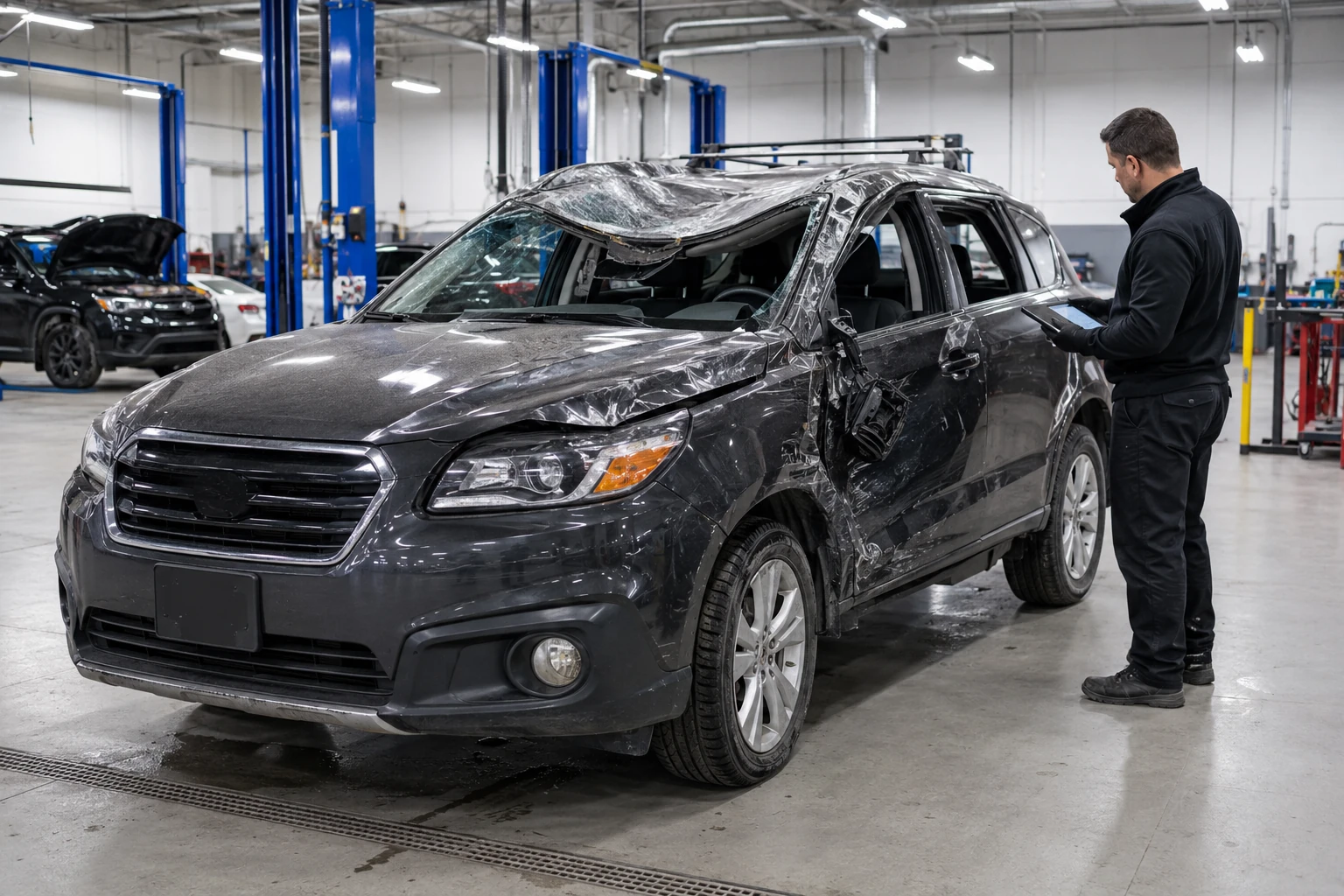
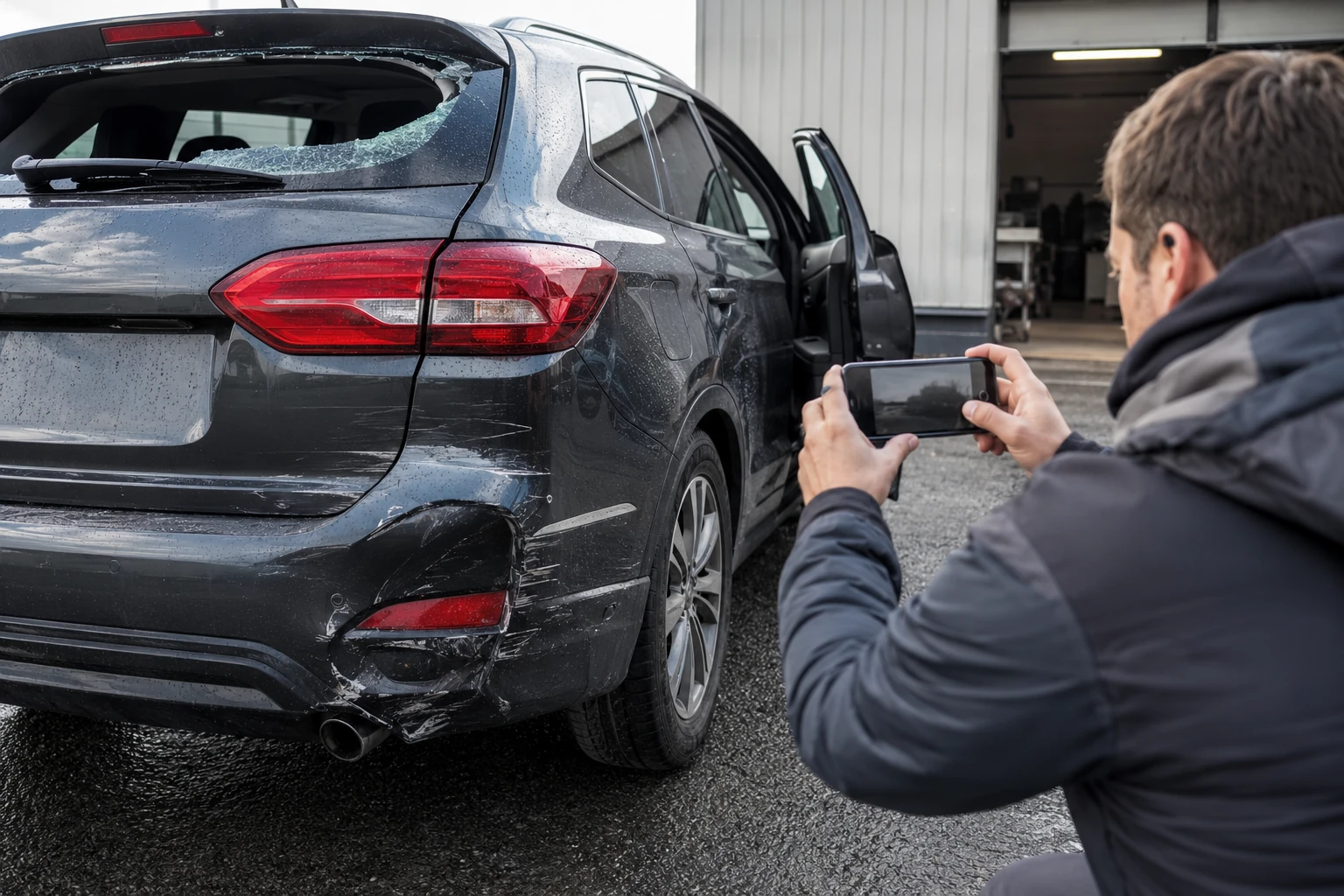
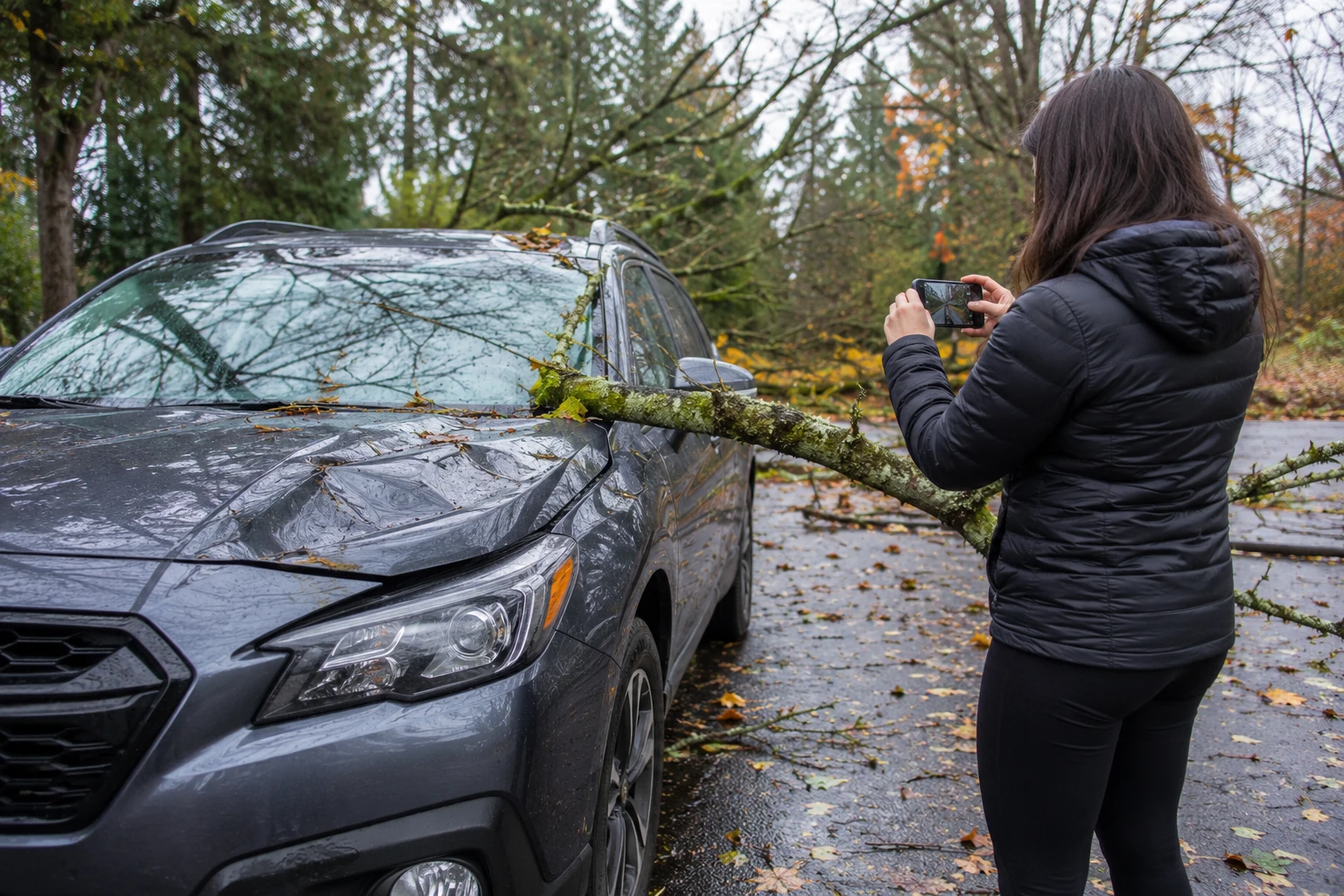
If you were told your ICBC repair estimate changed after teardown, that does not automatically mean anything suspicious happened. In many Surrey, BC collision repairs, the first estimate is based on visible damage. Once damaged parts come off, the shop can finally see what is happening underneath.
That matters because the first number is often a starting point, not always the final repair scope. If you are already working with an ICBC auto body repair shop in Surrey, understanding why estimates change after teardown can make repair updates feel much more transparent.
What teardown means in collision repair
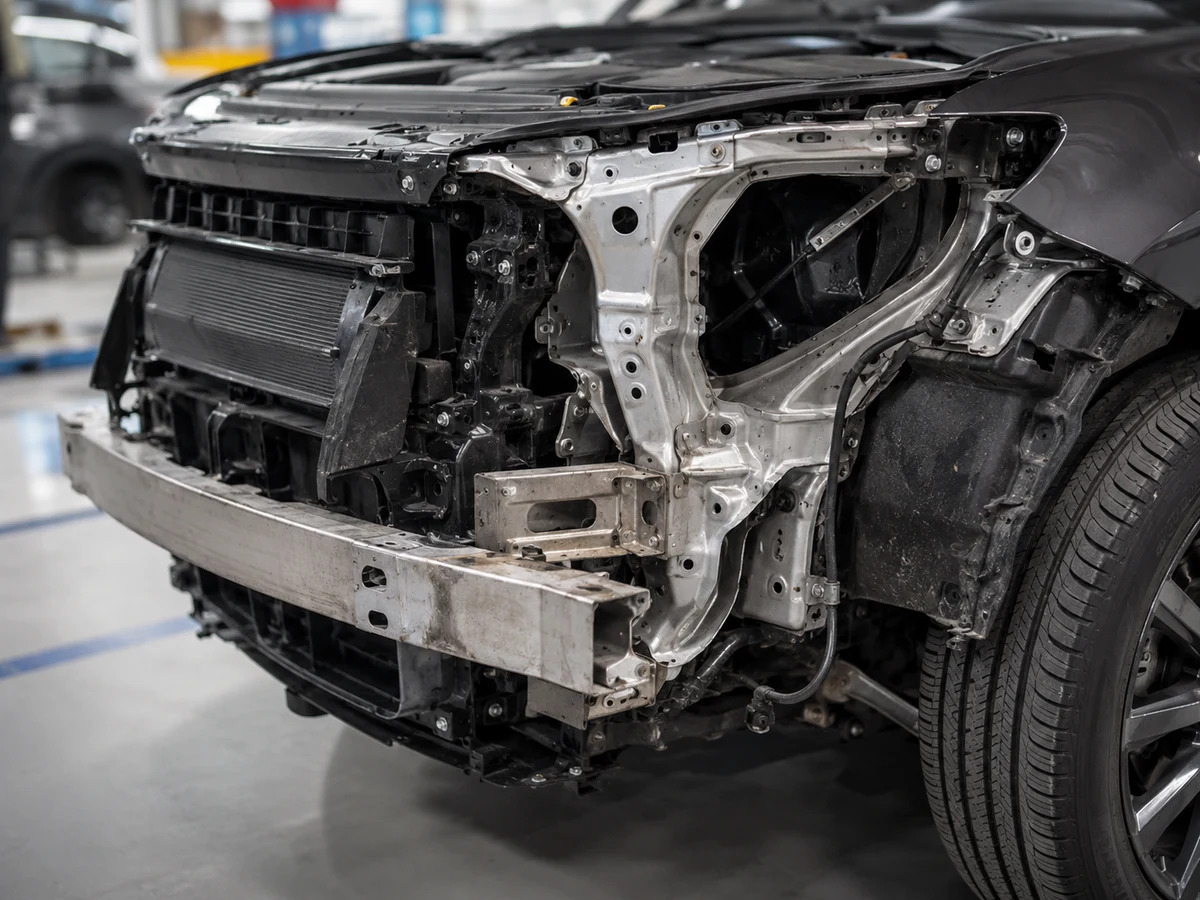
Teardown is the disassembly stage where damaged or surrounding parts are removed so technicians can inspect the hidden areas properly. A bumper cover can hide reinforcements, absorbers, clips, brackets, sensors, cameras, and neighbouring damage. A dented panel can hide damage that does not show up in the first walkaround.
Why the first estimate is not always the last estimate
The first estimate is usually built around visible damage. Once teardown begins, the shop may discover:
- Broken inner supports or mounting points
- Additional damaged parts that were blocked from view
- Sensor or wiring issues
- More labour steps than originally expected
- Paint blending or refinishing work that affects nearby panels
That is why a changed estimate is often part of a proper repair process, not automatically a mistake. It is the repair plan catching up with what the technicians can now actually see.
Why this matters to Surrey drivers
Drivers in Surrey, Delta, Langley, Fleetwood, or the wider Lower Mainland usually want a simple answer on cost and timing. The challenge is that both can shift when hidden damage appears. That is especially true on newer vehicles with more sensors, tighter panel fit, specialty materials, and manufacturer-specific procedures.
This is also why a shop that explains the process clearly matters. Cerna Collision’s collision claim assistance page helps show how repair communication fits into the claim process once the vehicle is already being assessed and repaired.
What usually changes after teardown
Hidden parts damage
The visible panel may not be the only damaged part. Teardown may reveal cracked absorbers, bent brackets, broken tabs, or nearby panel issues.
Extra labour operations
Once the damage is fully visible, the repair may need more labour steps than the original estimate assumed.
Parts decisions
Teardown may show that a part thought repairable actually needs replacement, or that additional parts are affected.
Paint and finish scope
Some repairs widen once adjacent panels need blending for a cleaner finish. If that happens, the shop may also explain how auto body paint repair fits into the updated scope.
Does this mean the first estimate was wrong?
Not necessarily. In collision repair, some damage simply cannot be seen until parts are removed. A responsible shop should not pretend hidden damage does not exist just to keep the first number looking simple. It should explain what changed and why the revision was needed.
What happens after new damage is found
Once teardown reveals additional damage, the shop may prepare an updated estimate or supplement for the claim. Depending on the situation, that can affect timing, parts ordering, and the repair sequence. This is one reason the vehicle may stay in the shop longer than the first rough expectation.
If transportation is already tight, this is the point where alternate mobility becomes practical to discuss. A local courtesy car service can matter more once the repair scope grows beyond the original visible estimate.

What to ask when the estimate changes
- What hidden damage was found?
- What part of the original estimate changed?
- Is the change mostly parts, labour, paint, or structure?
- How does the update affect timing?
- Will the repair now involve adjacent panel blending or extra refinishing?
- Do you expect further surprises, or is the scope now clearer?
These questions help drivers get a useful update instead of a vague “there was more damage than expected” message.
When to contact the repair shop
Contact the shop whenever the repair plan changes and you do not understand why, or when a timing update affects your transportation, work, or family schedule. A clear explanation should help you understand what was found and what happens next.
How Cerna Collision can help
Cerna Collision helps drivers understand why repair plans can change after teardown without turning that update into unnecessary confusion. The goal is to confirm the hidden damage properly, explain the revision clearly, and move the repair forward based on the true scope of the damage.
Frequently asked questions
Is it normal for an ICBC estimate to change after teardown?
Yes. Collision repair estimates often change once hidden damage becomes visible during disassembly.
Does hidden damage always mean structural damage?
No. Hidden damage can involve brackets, sensors, wiring, reinforcements, clips, and nearby panels, not only structural areas.
Will a changed estimate delay the repair?
It can, depending on what changed, what parts are needed, and whether the updated scope affects scheduling.
Can paint work change after teardown too?
Yes. Once more of the damage is visible, the refinishing scope can expand if nearby panels need blending.
Can a minor-looking bumper hit still lead to a bigger repair?
Yes. Modern bumpers can hide more damage than drivers expect from the outside.
Need help understanding an estimate change?
If your repair plan changed after teardown and you want clearer guidance on the next step, start with Cerna Collision’s ICBC auto body repair in Surrey or reach out by contacting Cerna Collision.
Table Of Contents