Auto Body Shop vs. Mechanic: Where Should You Take Your Car in Surrey?
Author: Juan Cerna
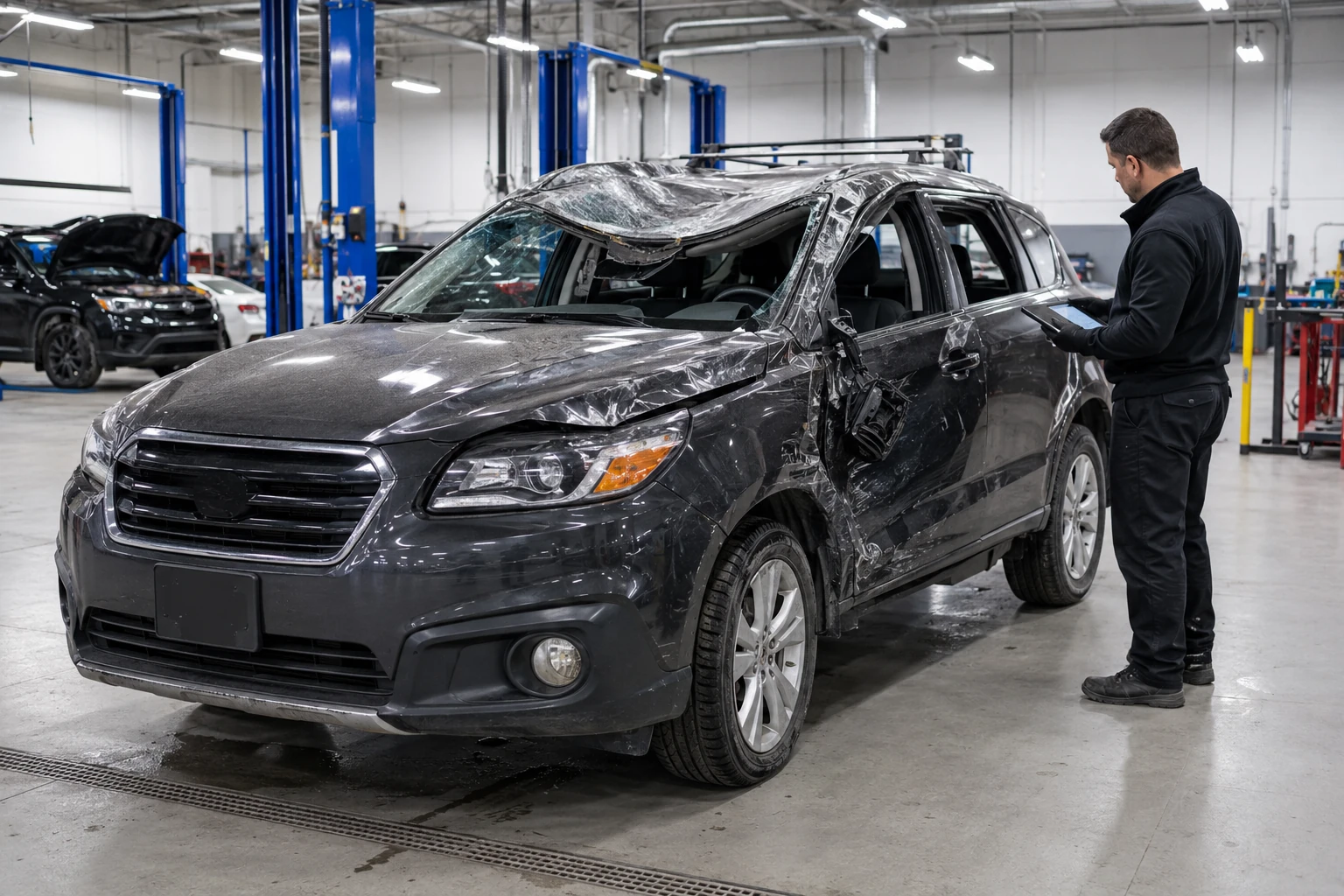
A body shop repairs collision-related exterior, structural, paint, and body damage, while a mechanic maintains and repairs the systems that make a vehicle run. Some accidents affect both areas, so the correct starting point depends on what happened and which symptoms appeared afterward.
Quick answer
Take your vehicle to an auto body shop when it has dents, scratches, damaged paint, broken panels, bumper damage, collision-related glass damage, uneven panel gaps, or possible structural damage.
Visit a mechanic when the problem involves the engine, brakes, transmission, fluids, battery, exhaust, regular maintenance, or a mechanical issue that developed without an impact.
When a collision causes both visible damage and driving problems, begin with a collision assessment. The body shop can identify the accident-related repair scope and determine whether additional mechanical diagnosis is needed.
What is the difference between an auto body shop and a mechanic?
An auto body shop and a mechanical repair shop work on different parts of the same vehicle.
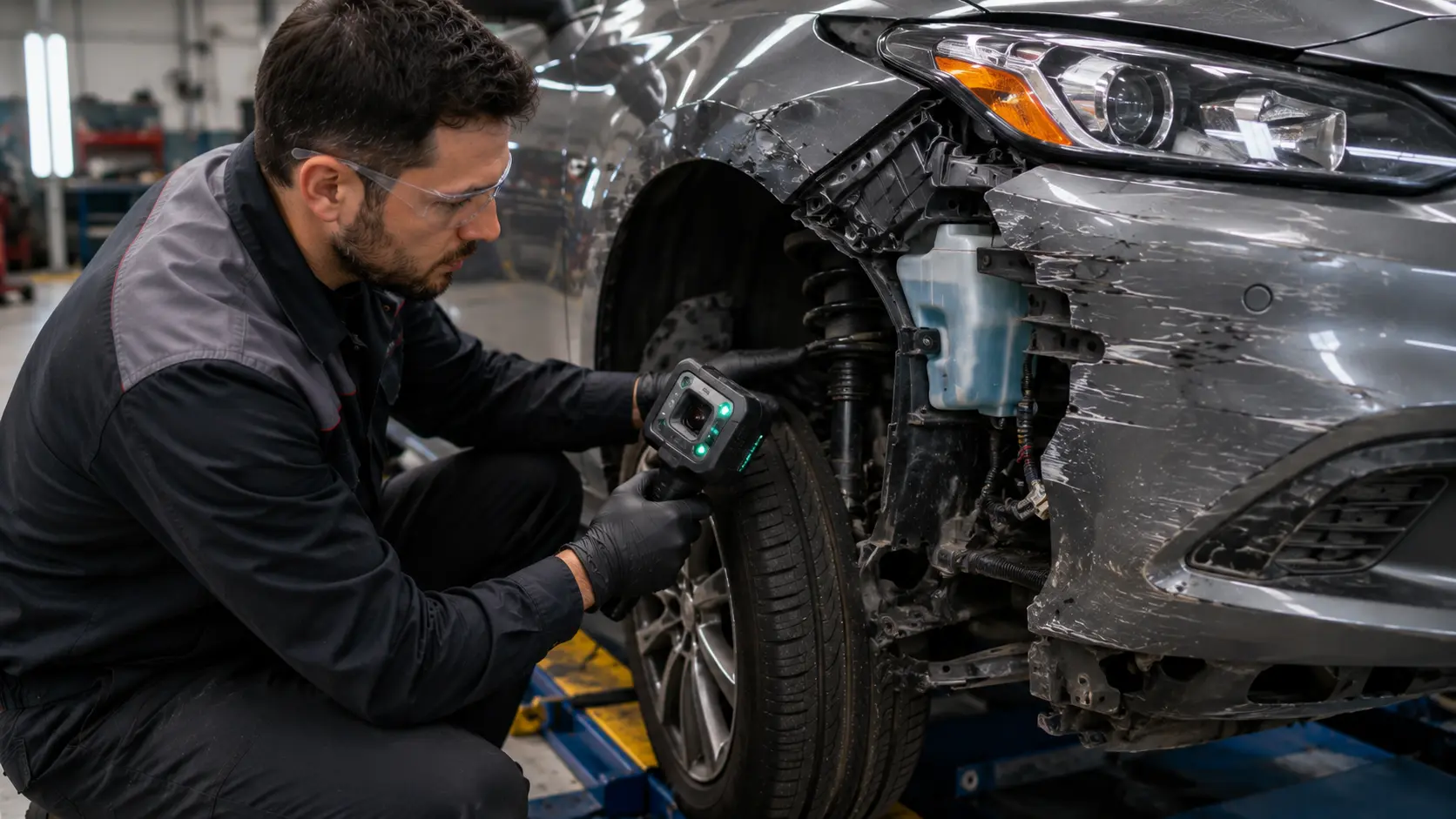
An auto body shop focuses on restoring damage to the vehicle’s exterior, body structure, finish, panels, bumpers, glass, and collision-related systems. The work may involve damage assessment, disassembly, dent repair, panel replacement, structural measurement, refinishing, colour matching, and checking components affected by an impact.
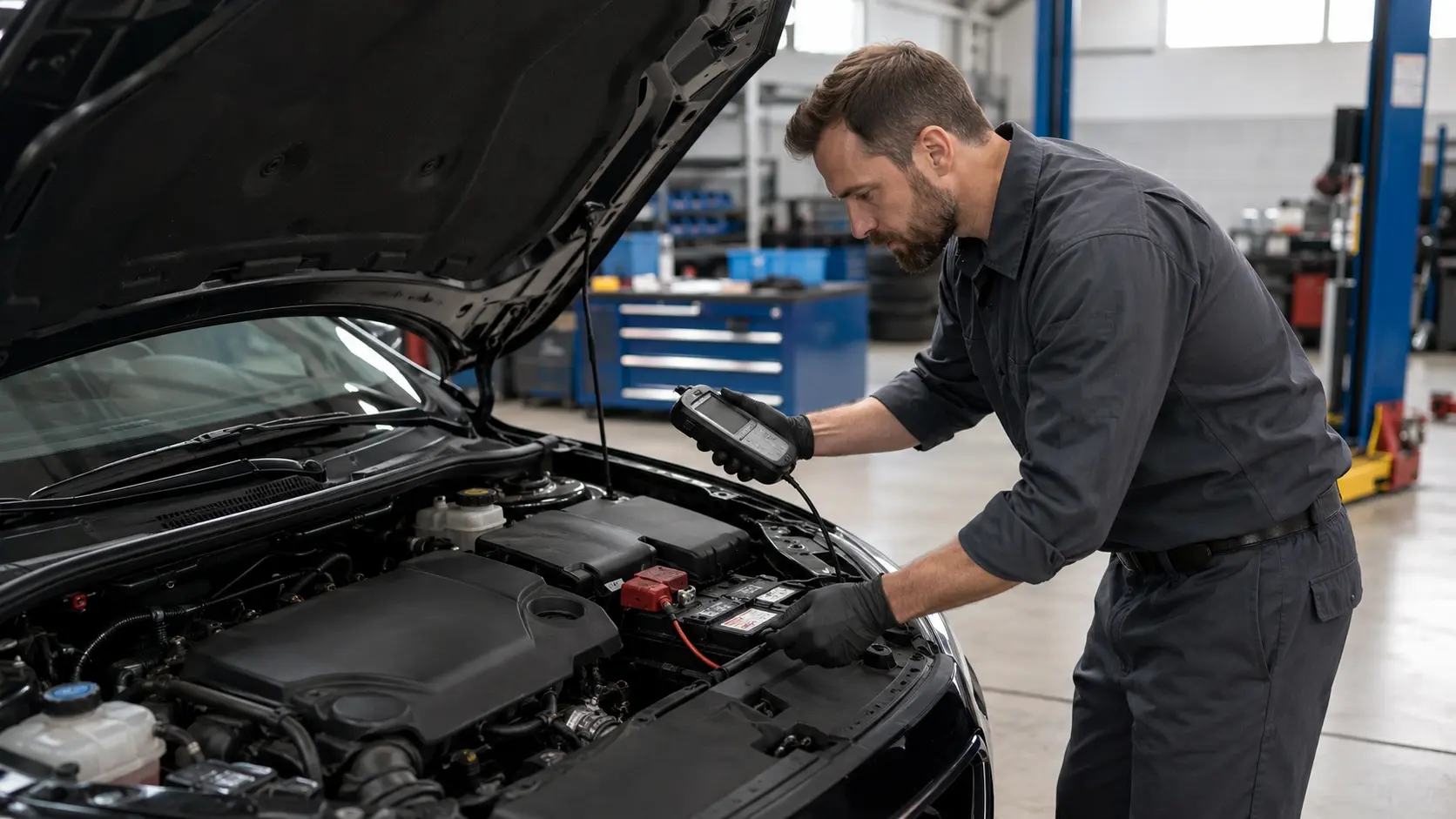
A mechanic focuses mainly on maintaining, diagnosing, and repairing the systems that allow the vehicle to start, move, steer, stop, and operate correctly. This can include the engine, brakes, transmission, drivetrain, battery, electrical system, fluids, heating, cooling, suspension, and routine maintenance.
The distinction is not always as simple as appearance versus performance. Modern collisions may affect sensors, restraint systems, steering parts, suspension components, cameras, wiring, and other equipment connected to the damaged area.
Auto body shop vs. mechanic comparison
What problems should go to an auto body shop?
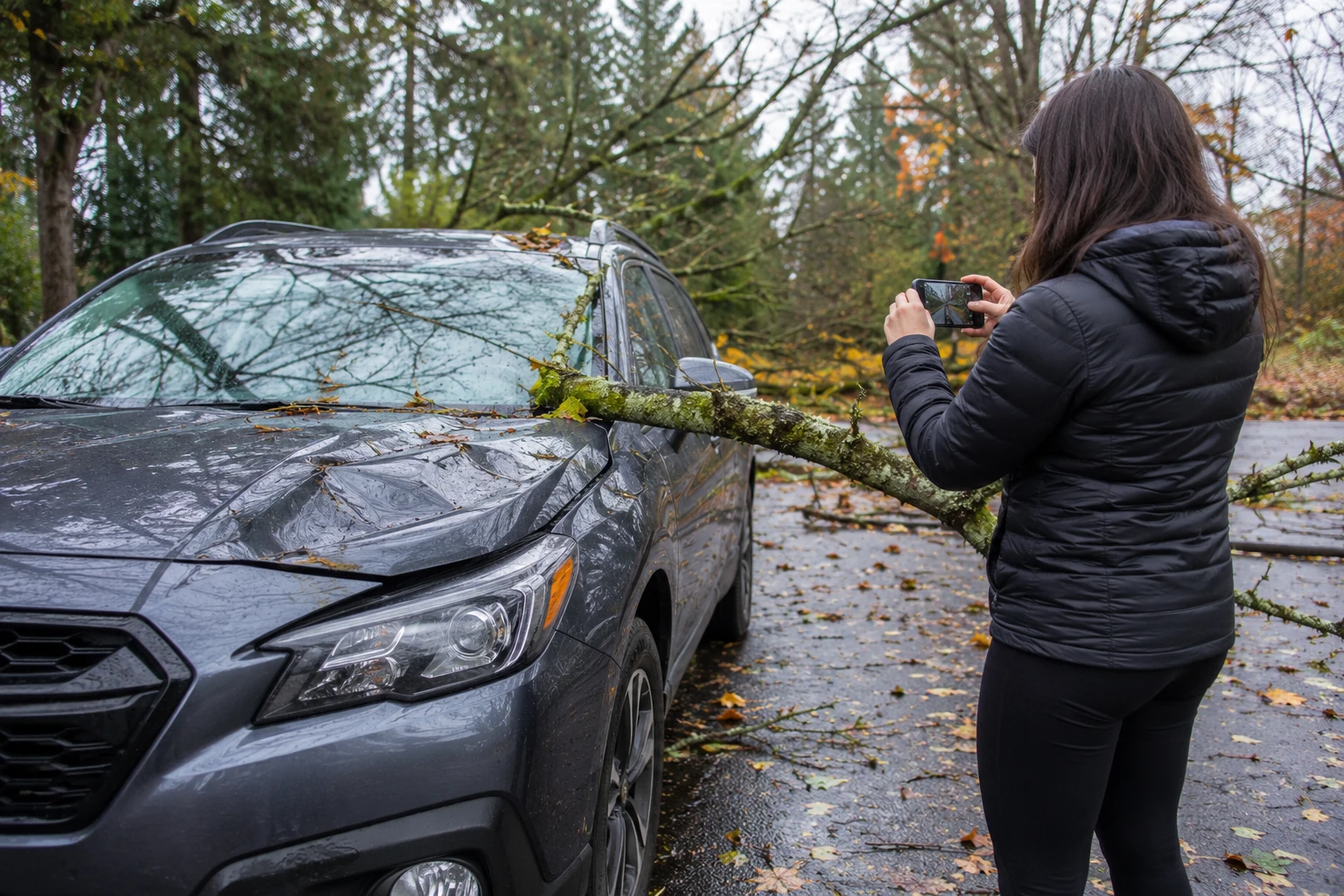
An auto body shop is the right starting point when the issue was caused by an accident, impact, vandalism, weather event, parking incident, or exterior damage.
Dents and damaged panels
Dents can affect doors, fenders, quarter panels, hoods, trunks, and other exterior sections. The correct method may involve metal repair, panel replacement, access behind the panel, or paintless dent repair when the damage and finish allow it.
A dent should not be judged by size alone. Its position, depth, paint condition, body line, and proximity to structural areas all influence the repair approach.
Scratches, chips, and damaged paint
A surface mark may only affect the clear coat, while a deeper scratch can reach the colour layer, primer, or exposed material underneath. Paint damage may require preparation, refinishing, blending, and colour matching rather than a simple touch-up.
Drivers can learn more about the refinishing process from Cerna Collision’s auto body paint repair shop in Surrey BC.
Bumper and trim damage
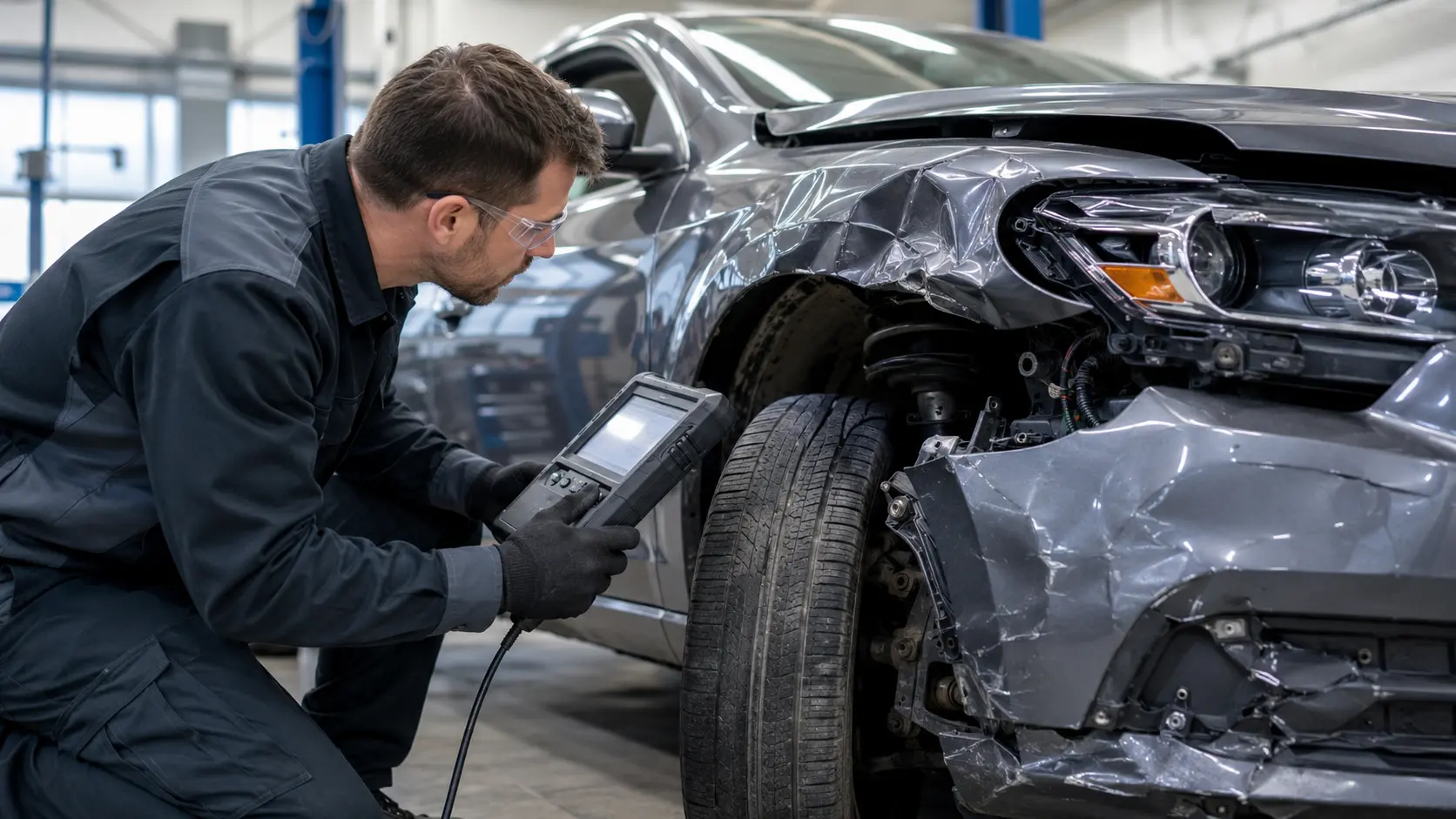
Modern bumper assemblies may include more than the visible plastic cover. Clips, brackets, reinforcements, lights, sensors, wiring, and nearby panels can also be affected.
A loose bumper edge or uneven fit may signal broken mounting points behind the visible surface. An inspection is more reliable than deciding from photos alone.
Collision-related structural concerns
Uneven panel gaps, doors that do not close correctly, visible deformation, or changes in how the vehicle sits may require a closer collision assessment. Structural concerns should be measured and repaired according to the needs of the vehicle rather than treated as surface damage.
Broken or damaged automotive glass
A windshield chip or crack belongs with an automotive glass repair specialist rather than a general mechanic. The appropriate solution depends on the size, position, depth, and condition of the damaged area.
Cerna Collision provides information about this service on its windshield repair in Surrey BC page.
What problems normally require a mechanic?
A mechanic is normally the correct choice when the vehicle has a maintenance issue, internal mechanical fault, wear-related problem, or performance concern that was not caused by body damage.
Common mechanical services include:
- Oil and filter changes
- Brake inspection and replacement
- Engine diagnosis
- Battery and charging-system service
- Transmission concerns
- Cooling-system repair
- Exhaust repair
- Fluid leaks
- Heating and air-conditioning diagnosis
- Routine suspension maintenance
- Tire-related service
- Electrical diagnosis
Your existing guide to the importance of regular vehicle maintenance provides broader information about why routine vehicle care should not be delayed.
How can you tell which shop you need?
Start by identifying what happened immediately before the problem appeared.
Can a collision require both a body shop and a mechanic?
Yes. An accident can affect several vehicle systems at the same time.
For example, a front-corner impact may damage a bumper, fender, headlight, wheel, steering component, and suspension part. The visible body damage and the driving concern may be connected to the same incident.
A proper collision assessment helps separate:
- Visible exterior damage
- Damage hidden behind panels
- Structural concerns
- Steering or suspension effects
- Warning lights or electronic faults
- Pre-existing maintenance issues unrelated to the accident
This distinction matters because not every problem discovered after an accident was necessarily caused by that accident. A careful assessment helps create a repair plan based on the actual damage.
Real example: bumper damage with a warning message
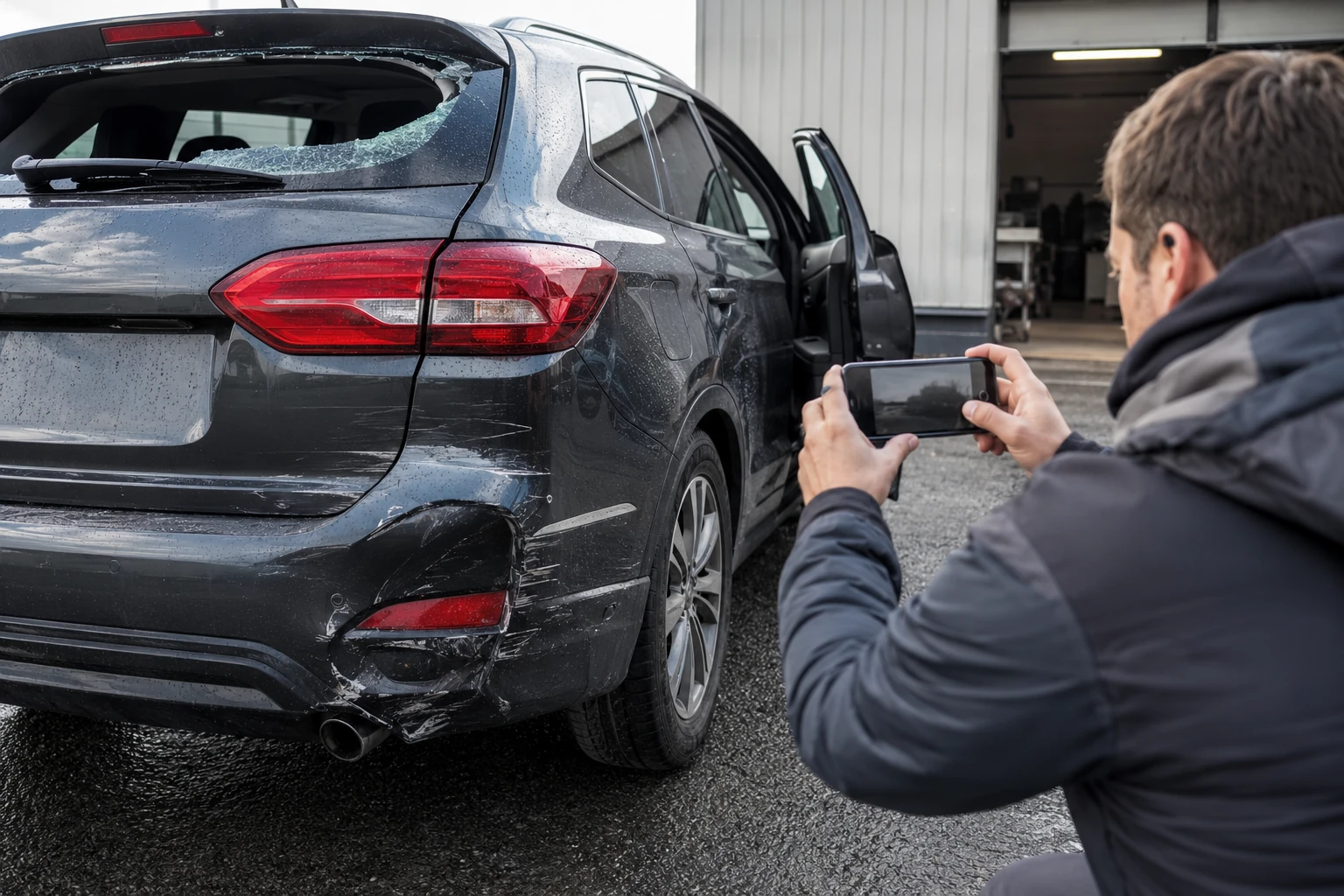
Imagine a Surrey driver is reversing from a stall when another vehicle contacts the rear corner of the bumper.
The visible damage appears to be a light scrape. However, after the incident, the driver notices that one parking sensor gives a warning even when nothing is behind the vehicle.
This should begin with an auto body assessment because the warning appeared after impact in the same area as the visible damage. A technician may need to inspect the bumper cover, sensor position, mounting hardware, wiring, and damage behind the cover.
The vehicle should not be taken only to a mechanic for the visible scrape, and the bumper should not be repainted without checking the sensor concern. Both issues should be considered within one collision repair plan.
For steps to take after this type of incident, read the guide to parking lot accident repair in Surrey.
Real example: steering pull after a side impact
A driver’s front wheel is contacted during a low-speed collision. The body damage appears limited to the fender, but the vehicle begins pulling to one side.
This is not only a cosmetic concern. The collision shop should review the visible impact area and determine whether the wheel, steering, suspension, alignment, or nearby structure may have been affected.
The detailed causes and symptoms are covered separately in Cerna Collision’s guide to understanding wheel alignment.
Keeping that explanation on its dedicated page prevents this comparison guide from becoming a second alignment article.
Does a mechanic repair dents and scratches?
A general mechanic does not normally repair dents, restore damaged panels, or refinish vehicle paint. Those tasks require body-repair and refinishing tools, materials, facilities, and skills.
Some automotive businesses provide several services in one location, but drivers should still confirm that the repair will be completed by qualified people using the correct equipment for each stage.
Can an auto body shop fix mechanical damage?
An auto body shop may address mechanical or electronic components when they are directly connected to collision repair. The exact scope depends on the facility, equipment, technician qualifications, manufacturer procedures, and type of damage.
A collision shop may also coordinate outside mechanical work when a repair requires a separate specialist.
Drivers should not assume that every body shop performs routine engine, transmission, brake, or maintenance work. It is better to ask what is included in the repair plan and who will complete each operation.
What should you tell the repair facility?
Clear information helps the shop understand the concern and determine the correct inspection.
Explain:
- What happened
- Which part of the vehicle was hit
- When the symptoms began
- Whether any warning lights appeared
- Whether steering, braking, visibility, or vehicle behaviour changed
- Whether the vehicle has previous damage in the same area
- Whether an ICBC claim has already been opened
Do not describe only the visible dent if the vehicle also makes a new sound or drives differently. The full story helps connect the symptoms to the incident.
What if an ICBC claim is involved?
When the damage is part of an ICBC claim, use a collision repair facility that can assess the accident damage, document the repair requirements, prepare an estimate, and explain the next repair steps.
Cerna Collision’s ICBC auto body shop in Surrey BC, page explains its collision repair and claim-related service in more detail.
This comparison article should not replace your dedicated ICBC guides. Its purpose is only to help drivers choose the correct type of repair facility.
Frequently asked questions
What is the main difference between a body shop and a mechanic?
A body shop repairs vehicle body, paint, glass, panel, and collision-related structural damage. A mechanic maintains and repairs the mechanical and electrical systems that make the vehicle operate.
Should I visit a mechanic or body shop after an accident?
Start with a body or collision repair shop when the concern follows an impact and includes visible exterior damage. Tell the shop about any driving, steering, warning-light, or mechanical symptoms so they can be included in the assessment.
Does a small dent need an auto body shop?
A small dent belongs with an auto body professional if you want it properly assessed and repaired. The appropriate method depends on its location, depth, paint condition, and access behind the panel.
Who repairs a cracked windshield?
An automotive glass technician or qualified glass repair facility handles windshield chips, cracks, repairs, and replacement.
Do I need both types of shop?
Yes. A collision can damage body panels and mechanical components in the same incident. The repair may require coordination between collision and mechanical specialists.
Choose the repair specialist based on the problem
A mechanic and an auto body technician perform different but equally important work. The right choice depends on whether the vehicle needs routine mechanical care, internal system diagnosis, paint and panel repair, glass service, or a complete collision assessment.
When visible damage follows an accident, begin with an auto body or collision repair assessment and report every new symptom. That approach helps identify the full repair scope instead of treating only what can be seen from the outside.
For body, paint, glass, or collision-related concerns in Surrey, contact Cerna Collision to arrange an assessment.
Table Of Contents