ICBC Claim Tips for Rear-End Collision Damage
Author: Juan Cerna
Quick answer
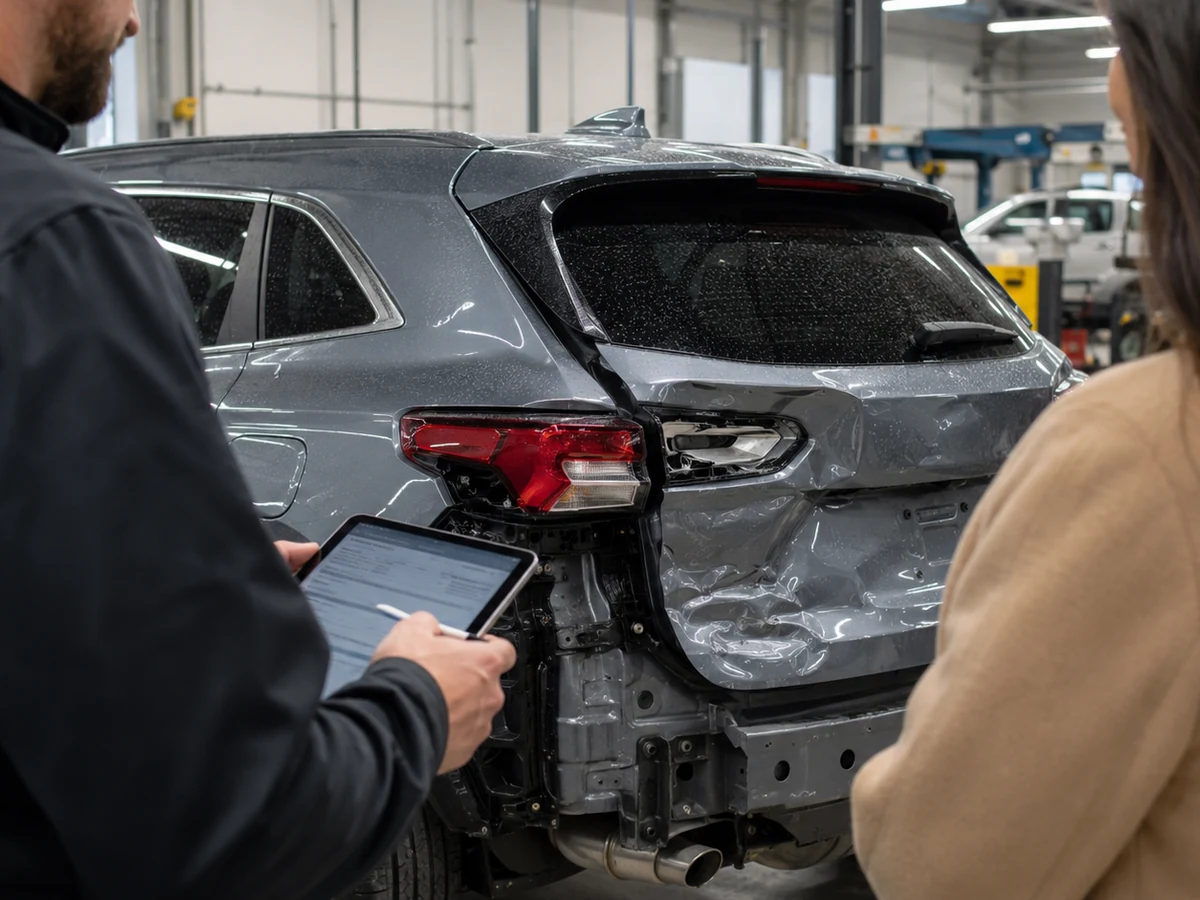
Rear-end collision damage often involves more than the visible bumper cover. Surrey drivers should report the claim, document the damage, ask about hidden reinforcement or sensor issues, and get the vehicle assessed before assuming the repair is minor. The smartest questions usually focus on what is behind the bumper, not just what is on it.
Rear-end crashes are common, but the repair questions they create are rarely simple. A bumper may look cracked, scuffed, or pushed in only slightly, yet the parts behind it can tell a very different story. Mounting points, reinforcement parts, lamps, sensors, trunk alignment, and nearby panels can all be affected even when the outside damage looks manageable.
That is why this topic works best as a narrow informational blog instead of another broad claim article. If you are dealing with rear-end damage in Surrey, BC, the main commercial page to support is Cerna Collision’s ICBC claim assistance service. This article focuses on the practical tips that help before and during the repair conversation.
Why rear-end collision damage is often underestimated
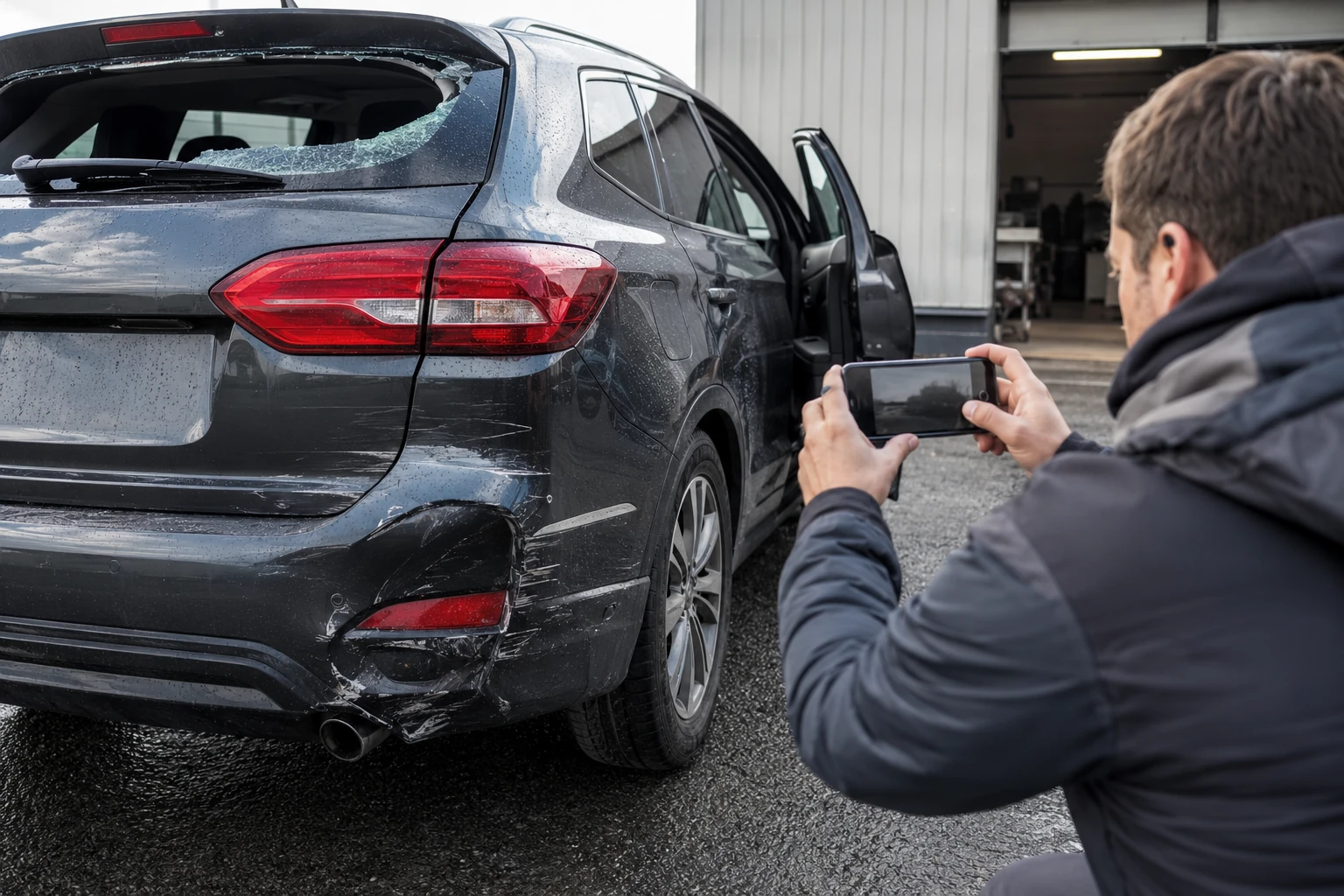
Drivers usually look at the rear bumper first, and that makes sense. It is the most visible part of the damage. The problem is that the bumper cover is only one layer. Depending on the impact, the repair may also involve reinforcement bars, absorbers, brackets, lamps, trunk gaps, quarter-panel edges, parking sensors, and cameras.
That is one reason rear-end files sometimes change after the vehicle reaches the shop. What you can see in a driveway photo is not always what the technician sees after disassembly.
What Surrey drivers should check right away
- Is the bumper loose, rubbing, or partially detached?
- Are the tail lights, reverse lights, or reflectors damaged?
- Did the trunk, hatch, or rear door stop closing properly?
- Did parking sensors, rear cameras, or blind-spot features start acting strangely?
- Is there cracked paint, exposed plastic, or metal that could worsen over time?
If any of those answers are yes, the vehicle should be assessed sooner rather than later. If the damage also includes paint scuffs, cracking, or finish separation, the repair path may involve auto body paint repair in addition to body work.
How the ICBC side fits into a rear-end damage claim
Rear-end damage still follows the familiar claim path: report the crash, connect the vehicle to the claim, get the damage assessed, and move into repairs if the vehicle is repairable. ICBC’s collision claims information outlines those steps and notes that drivers can have the vehicle repaired at the shop of their choice.
Where rear-end claims get more specific is the repair conversation. Because the visible damage is often concentrated in one area, drivers sometimes assume the repair is simple. The smarter assumption is that the assessment needs to confirm what happened behind the outer panel.
What happens at the repair shop with rear-end damage
The shop usually starts with visible damage review, but the most important part is often the next stage: checking the structure and components behind the bumper. That helps answer questions such as whether the bumper can be repaired, whether the reinforcement area is affected, and whether sensors or camera mounts need additional attention.
If the vehicle also has drivability or alignment concerns after the hit, mention those early. Even a crash that looks like “just bumper damage” can create related repair needs that are not obvious at first glance.
What can affect cost, timing, and approval
Rear-end repairs often change because of:
- hidden damage behind the bumper cover
- sensor or camera-related components
- lamp or trim damage that appears after removal
- paint blending needs on visible panels
- parts availability
- supplements after teardown
That does not mean the repair is going badly. It usually means the initial visible damage did not tell the whole story.
Rear-end damage details drivers often miss
After rear-end damage, reporting the claim and getting an estimate is only the starting point. The more useful shop-level questions are:
- Could this damage involve more than the bumper cover?
- Do the sensors or camera mounts need special checking?
- Could the trunk gap or rear body alignment indicate deeper damage?
- Will the repair likely involve paint blending on nearby panels?
- If more damage appears after teardown, how will I be updated?
Those questions are far more helpful than broad advice about simply getting an estimate.

When to contact a body shop instead of waiting a few days
Call right away if the bumper is loose, the hatch or trunk does not close properly, the lights are damaged, the rear camera stopped working, or the vehicle makes new noise from the rear. The same goes for impacts in busy Surrey corridors where a rubbing or unstable bumper could become a safety issue quickly.
If you also need repair coordination, Cerna Collision’s ICBC auto body repair in Surrey and contact Cerna Collision make it easier to move from claim questions into the repair side.
How Cerna Collision can help
Cerna Collision helps drivers understand rear-end damage beyond the visible bumper. The goal is to assess what is obvious, flag what may be hidden, and explain the repair path clearly enough that you know what the next call or approval step is likely to involve.
Frequently asked questions
Can a rear-end collision damage more than the bumper?
Yes. Rear-end damage can affect reinforcements, sensors, brackets, lamps, trunk alignment, and nearby panels.
Should I drive if the trunk or bumper does not close properly?
That should be checked quickly, especially if parts are loose, rubbing, or no longer aligned.
Will parking sensors or cameras need to be checked?
Often yes. Rear-end impacts can affect mounts, calibration needs, or related components.
Does paint damage matter if the bumper still looks mostly intact?
Yes. Cracks, chips, and stretched paint can still point to a larger repair need.
Can hidden damage change the estimate later?
Yes. That is common when the visible bumper cover hides the parts behind it.
Need help after rear-end collision damage?
If your rear bumper, sensors, lamps, or trunk area were affected, start with Cerna Collision’s ICBC collision claim assistance and then book the next repair step by contacting Cerna Collision.
Table Of Contents