ICBC Claim vs. Paying Privately: Which Repair Option Makes Sense?
Author: Juan Cerna
ICBC Claim vs. Paying Privately: Which Repair Option Makes Sense?
Paying privately may be reasonable for limited, clearly assessed damage, while an ICBC claim may make more sense when repair costs are significant, another driver is involved, responsibility is disputed, or hidden damage is possible. The right decision should be based on a professional estimate, your deductible, your coverage, and guidance from ICBC or an Autoplan broker.
Quick answer
Do not decide between an ICBC claim and private payment based only on the first visible scratch or dent.
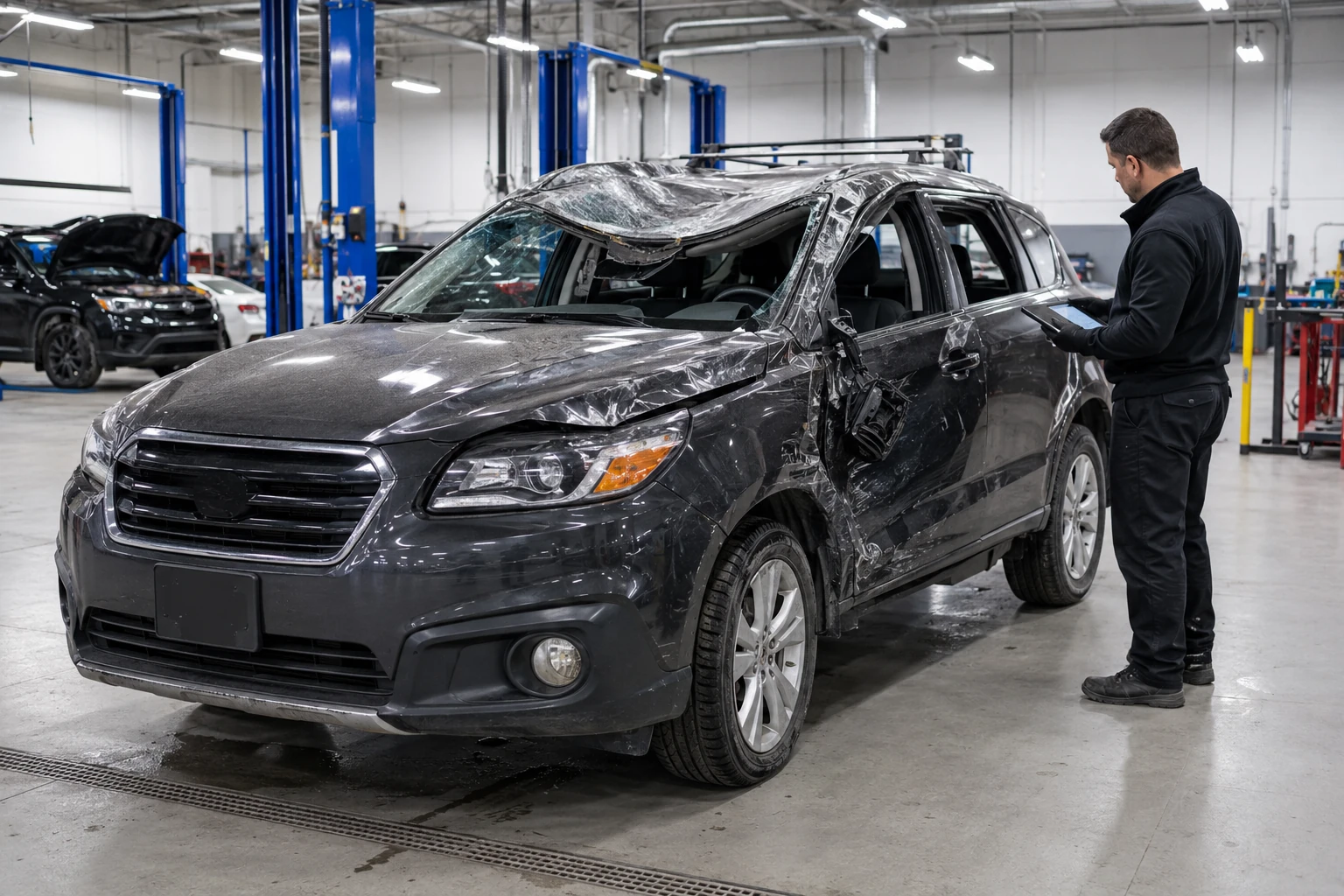
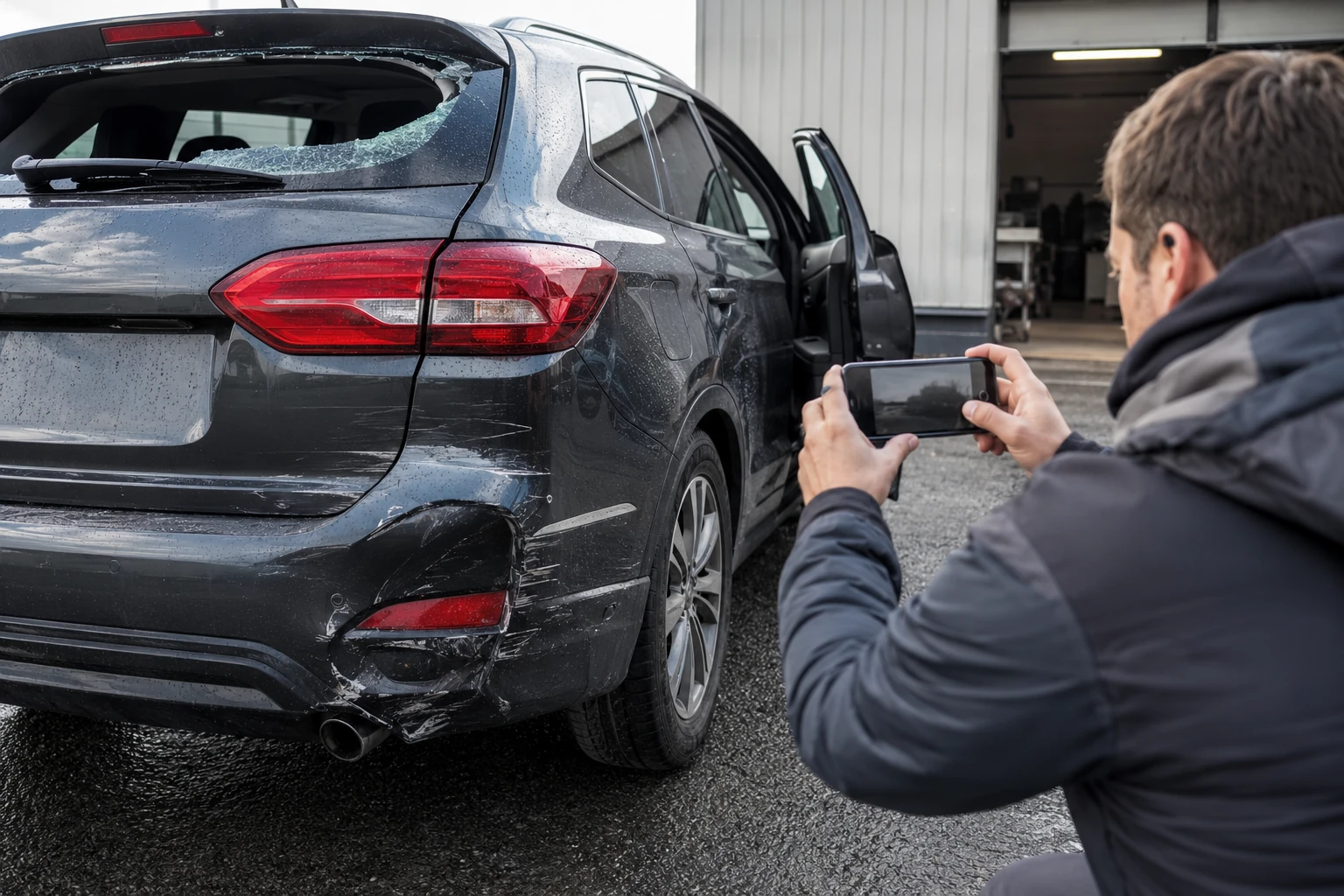
Begin by documenting what happened and obtaining a professional damage assessment. Compare the complete estimated repair cost with your deductible, but also consider whether another vehicle was involved, whether responsibility is clear, whether the vehicle has sensors or hidden components in the damaged area, and whether the estimate could change after disassembly.
A body shop can explain the repair requirements and prepare an estimate. ICBC or an Autoplan broker should answer questions about coverage, responsibility, deductibles, claim repayment, and possible insurance-cost effects.
What is the difference between an ICBC claim and private-pay repair?
An ICBC claim uses the insurance coverage that applies to the incident. The claim process may involve reporting the event, assessing responsibility, confirming coverage, preparing a damage estimate, approving repairs, and paying the applicable deductible.
A private-pay repair means the vehicle owner pays the repair facility directly without using insurance funds for that repair.
There is also a third situation: a claim may be reported and later repaid to ICBC when the circumstances and cost make repayment available and financially reasonable. That option should be discussed with an Autoplan broker.
ICBC claim vs. private repair comparison
When might paying privately make sense?
Private payment may be worth considering when all of the following conditions are present:
- The damage has been professionally inspected.
- The repair scope is limited and clearly defined.
- The estimate is close to or below the applicable deductible.
- No one was injured.
- No other driver or property owner is seeking payment.
- There is little risk of hidden damage.
- You can comfortably pay the complete cost.
- You understand that the estimate could change if additional damage is discovered.
A minor isolated scratch may fit these conditions. A bumper impact involving sensors, brackets, lights, or another vehicle may not.
When might an ICBC claim make more sense?
A claim may deserve stronger consideration when:
- Another driver or property owner is involved.
- Responsibility is unclear or disputed.
- Repair costs are meaningfully higher than your deductible.
- The damage affects several panels.
- A bumper contains cameras or parking sensors.
- A wheel, steering, suspension, or structural area was hit.
- The vehicle may not be safe to drive.
- The other party has reported or may report the incident.
- You cannot confidently predict the final repair cost.
- You were not responsible for the crash.
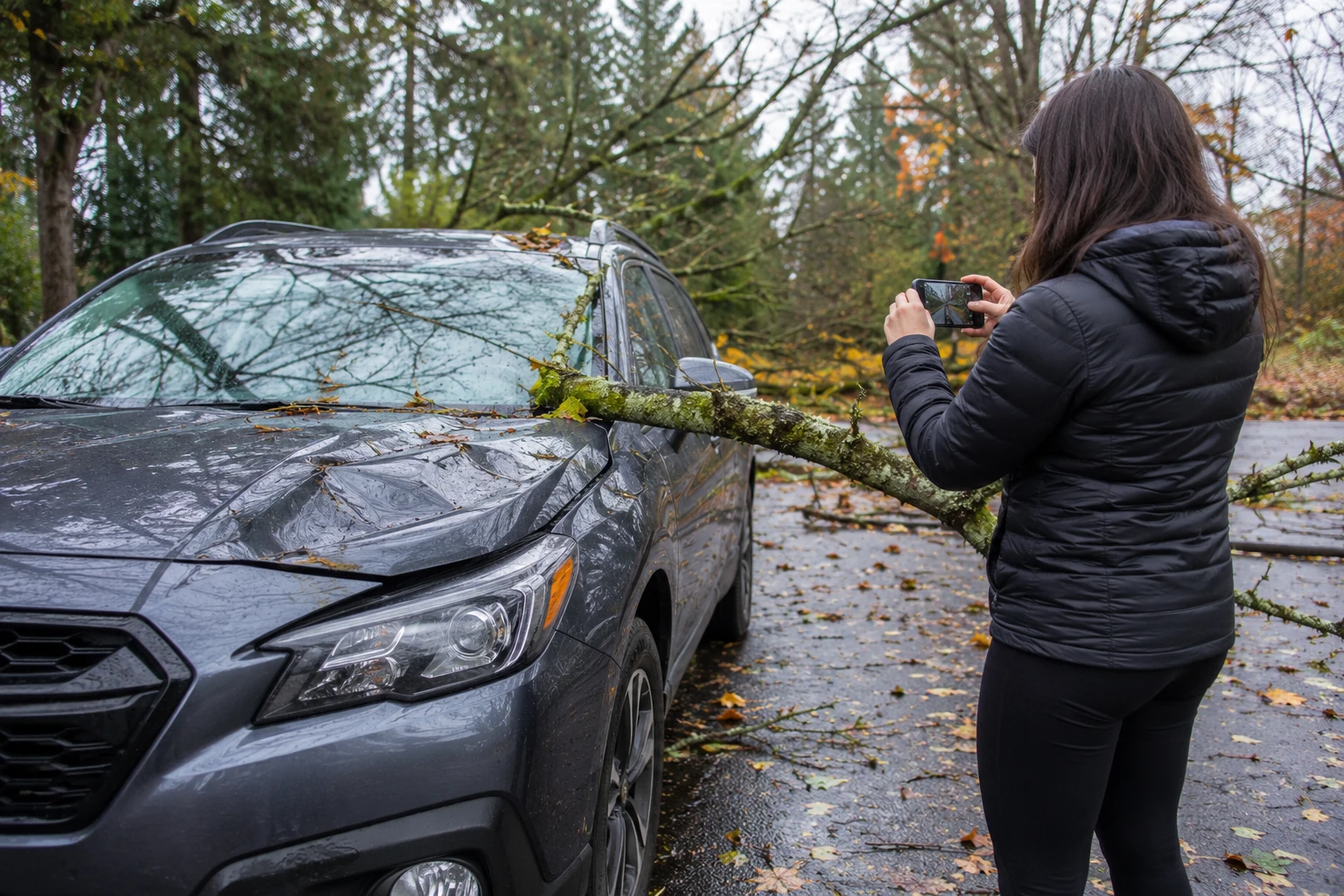
- The damage was caused by a hit-and-run or another covered event.
This does not mean every visible dent requires a claim. It means the decision should consider financial, repair, and documentation risks together.
For an explanation of the reporting process itself, read Cerna Collision’s guide on how to make an ICBC claim.
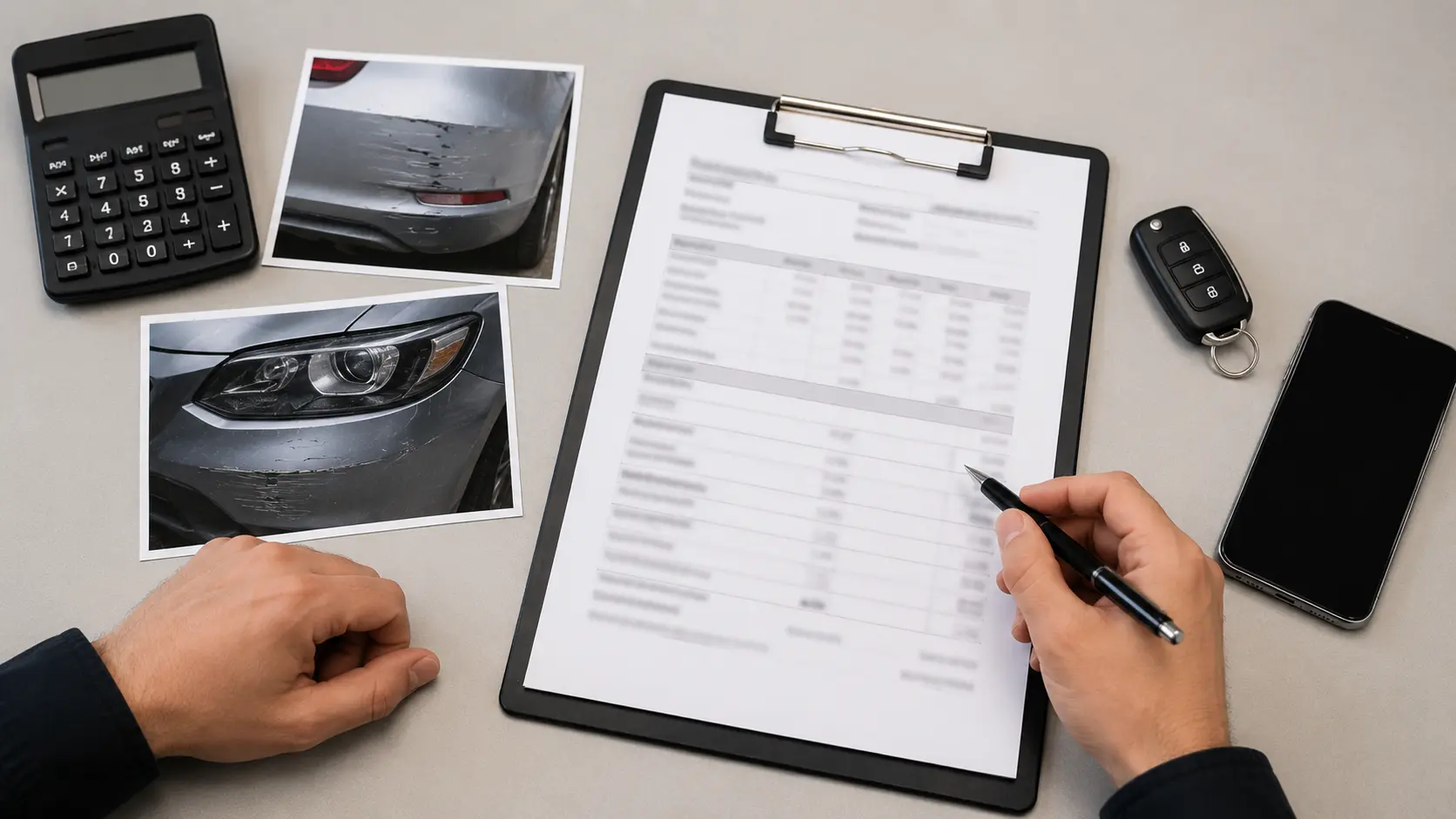
Why comparing only the estimate with your deductible can be misleading
The deductible is important, but it is not the entire decision.
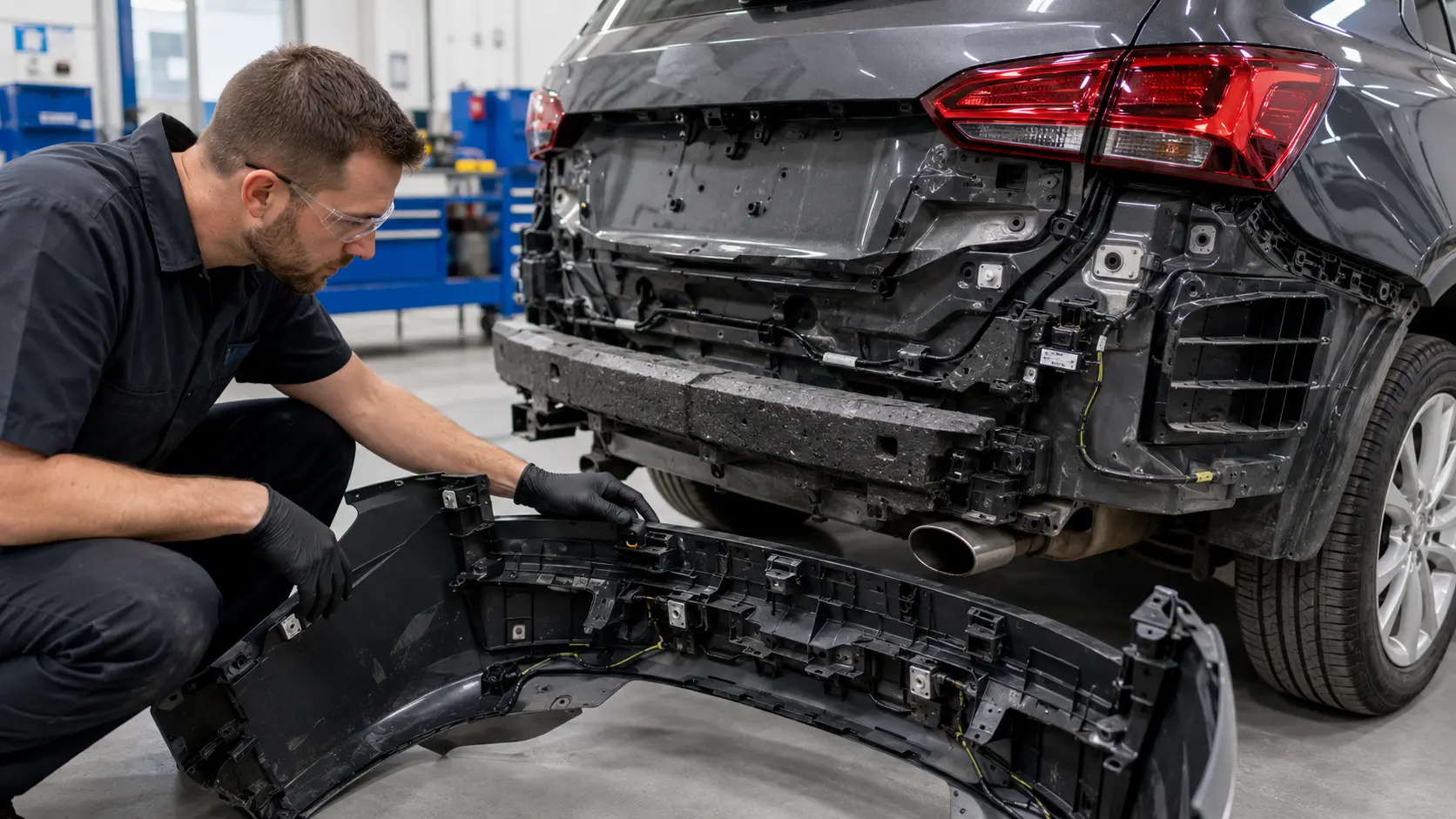
Imagine your deductible is close to the initial repair estimate. Paying privately may appear to be the clear choice. However, an initial visual assessment may not reveal broken bumper tabs, damaged brackets, cracked reinforcement material, sensor issues, wiring damage, or deformation behind a panel.
If the repair cost rises after disassembly, the financial comparison changes.
A proper decision should consider:
Private repair and private settlement are not the same thing
This distinction is important.
Paying for your own repair privately
You arrange an assessment, approve the repair, and pay the shop directly. This may be straightforward when no other person or property is involved.
Settling directly with another driver
You and the other driver attempt to handle repair costs without completing the normal claim process.
This carries more uncertainty because:
- Visible damage may not represent the final cost.
- The other vehicle may have hidden damage.
- A passenger may report an injury later.
- The parties may disagree about what was promised.
- One person may report the incident after the private discussion.
- Responsibility may not be as clear as it appeared at the scene.
- Additional transportation or repair expenses may arise.
A quick cash amount agreed upon beside the vehicles is not the same as a complete professional estimate.
Can you report a claim and repay it later?
In some situations, ICBC allows a driver to repay the cost of a claim. This may be considered when the incident did not involve injuries or costly vehicle damage and repayment would help prevent an effect on future premiums.
That option is different from hiding the incident or making an uninformed agreement at the scene.
The availability and financial value of claim repayment depend on the individual claim. Contact ICBC or an Autoplan broker for guidance based on your record, responsibility assessment, and total claim cost.
Does a claim always increase your insurance cost?
No single answer applies to every claim.
Responsibility matters. The type of coverage matters. The driver’s crash history and policy details may also matter.
A driver who was not responsible for a crash in British Columbia is in a different position from someone who was fully or partly responsible. Comprehensive claims may also be treated differently from at-fault collision claims.
Do not ask a repair shop to predict your next premium. The shop can assess vehicle damage, explain the repair process, and prepare an estimate. ICBC or your Autoplan broker should explain the insurance effect.
You can review Cerna Collision’s separate guide to collision insurance coverage for more information about what that coverage is designed to do.
Should you get an estimate before deciding?
Yes, when the vehicle is safe to inspect and no urgent reporting requirement takes priority.
A professional assessment gives you more useful information than guessing from photographs. It can help identify:
- The damaged panels and parts
- Paint and refinishing requirements
- Broken mounting components
- Possible sensor involvement
- Signs of damage behind the visible surface
- Expected labour and parts needs
- Whether additional inspection may be necessary
Cerna Collision’s ICBC auto body shop in Surrey can assess private-pay damage as well as claim-related collision damage.
An estimate does not decide whether you should use insurance. It gives you the repair information needed to make a better decision.
Real example 1: a scrape below the deductible
A Surrey driver lightly scrapes a rear door against a concrete post in an apartment parking area. No other vehicle or property is damaged.
The shop inspects the area and confirms that the damage is limited to the outer surface. There are no broken parts, warning messages, alignment concerns, or signs of damage behind the panel.
The complete repair estimate is below the driver’s deductible, and the owner can comfortably afford it. In this situation, private payment may be practical because the cost and repair scope are reasonably clear.
The decision would be different if the same contact damaged two panels, broke trim, or affected a sensor.
Real example 2: a bumper impact involving another driver
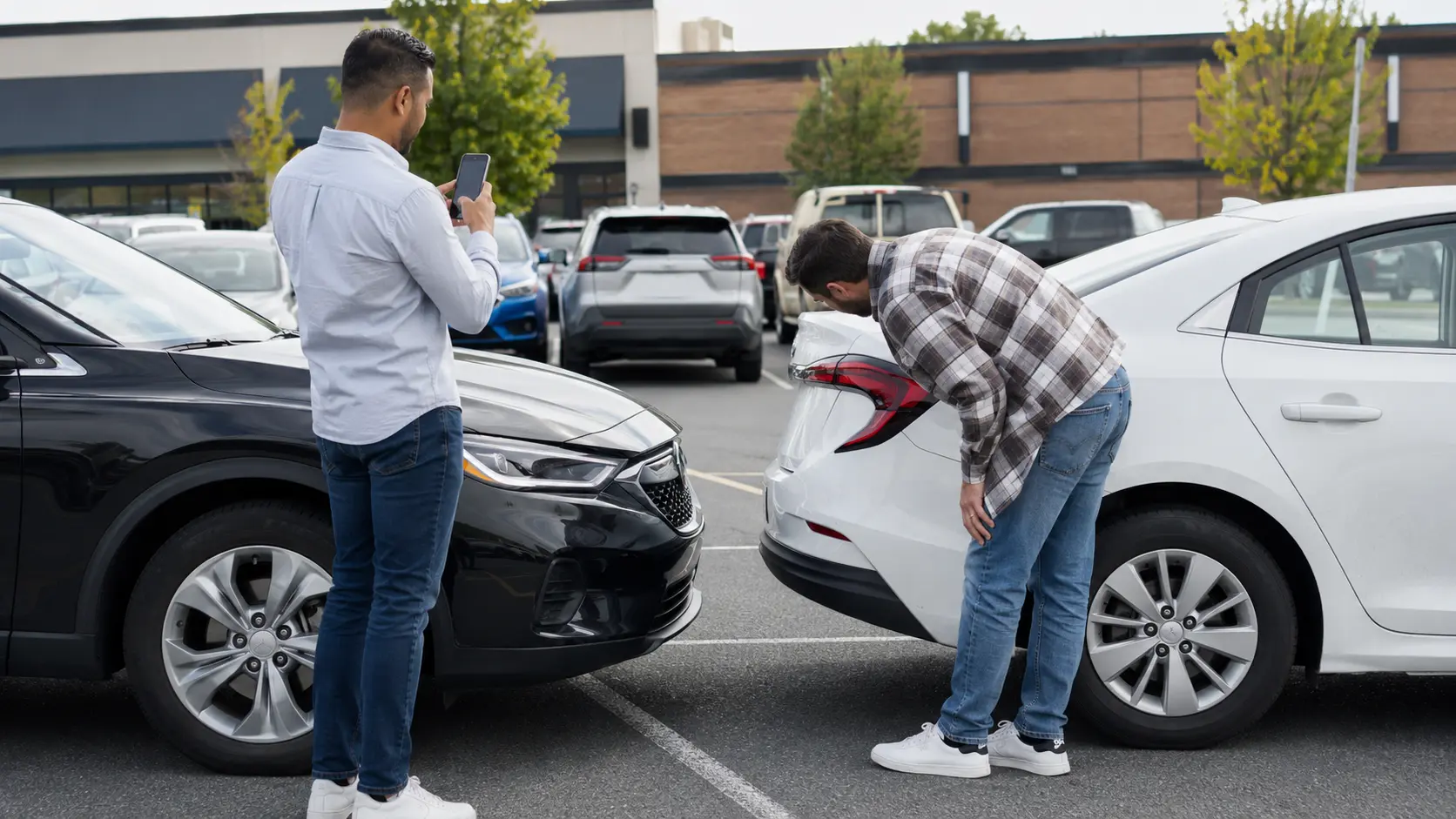
Two vehicles make contact while reversing from stalls at a busy Surrey commercial plaza. One bumper shows a small dent, while the other has a scrape.
The drivers initially consider exchanging cash and leaving. However, one vehicle later displays a parking-sensor warning. Inspection also reveals broken mounting hardware behind the bumper cover.
This is no longer a predictable surface repair. Another driver is involved, the final cost was not clear at the scene, and responsibility may need to be assessed. A formal claim may be more appropriate than an immediate private agreement.
For a complete checklist for this type of incident, see the guide to handling a parking lot accident in Surrey.
Real example 3: the other driver was responsible
A driver is stopped when another vehicle contacts the rear of their car. The damage requires bumper repair, paint work, and inspection of the components behind the bumper.
The repair estimate is higher than the vehicle owner’s own deductible. However, deciding based only on that deductible would be incomplete because the owner may not be responsible for the incident.
Responsibility and applicable coverage should be confirmed through ICBC. The vehicle owner should not automatically pay privately simply because they are worried that every claim increases premiums.
Questions to ask before choosing either option
Questions for the repair shop
- Is the estimate based on visible damage only?
- Could disassembly reveal additional damage?
- Are sensors, cameras, lights, or brackets involved?
- Does the estimate include all required paint and blending work?
- Is the vehicle safe to drive?
- Will the estimate change if more damage is found?
Questions for ICBC or your Autoplan broker
- Which coverage applies?
- What deductible applies to this incident?
- How was responsibility assessed?
- Could the claim affect future insurance costs?
- Is claim repayment available?
- What happens if the other driver later reports more damage?
- Are there reporting or documentation requirements I should follow?
Common mistakes to avoid
Agreeing to a cash amount before inspection
The visible dent may not represent the complete repair cost.
Assuming every claim increases premiums
The result depends on responsibility, claim type, driver history, and other factors.
Assuming private payment guarantees the matter is finished
Another person involved in the incident may later report damage or raise a concern.
Choosing the cheapest surface repair
A low estimate may omit required parts, paint blending, sensor work, or hidden-damage inspection.
Delaying damage assessment
Broken paint, loose components, cracked lights, water entry, or continued movement can make some problems worse.
Letting the body shop make an insurance decision
A qualified shop should explain the repair. ICBC or an Autoplan broker should explain the policy and premium consequences.
Frequently asked questions
Should I make an ICBC claim if the damage is minor?
It depends on the complete repair estimate, applicable deductible, responsibility, coverage, another driver’s involvement, and possibility of hidden damage. Obtain an assessment before assuming the repair is minor.
Should I claim if the estimate is below my deductible?
Private payment may be reasonable when the complete repair cost is below the deductible and no other risk is involved. Confirm that the estimate includes the full scope and ask whether hidden damage could change it.
Can I get an estimate without opening a claim?
A collision shop may assess private-pay damage and prepare an estimate. Ask the facility what information it needs and whether the assessment requires disassembly.
Can I change from private payment to an ICBC claim?
That depends on the incident, coverage, reporting, repair status, and ICBC requirements. Contact ICBC before authorizing work if you may need to use coverage.
Can I repay an ICBC claim?
ICBC may allow repayment in certain cases. An Autoplan broker can explain whether repayment is available and whether it makes financial sense for your situation.
Is settling privately with another driver safe?
It carries more risk than privately repairing damage to your own vehicle because the other driver’s final costs, position, and future actions may not yet be known.
Make the decision using a complete repair estimate
The best choice is not automatically the cheapest-looking option at the scene.
Private payment may be practical for limited, fully assessed damage when the cost is predictable, and no other person is involved. An ICBC claim may be more appropriate when responsibility, coverage, another driver, hidden damage, or a significant repair cost is involved.
Start with accurate repair information. Then confirm the insurance side with ICBC or an Autoplan broker.
For vehicle damage in Surrey, Cerna Collision provides ICBC claim assistance and private-pay collision assessments. Contact Cerna Collision to arrange an inspection before deciding how to proceed.
Table Of Contents