Picking Up Your Car After Collision Repair? A Practical Checklist
Author: Juan Cerna
Quick answer: Before leaving the body shop, compare the repaired area with nearby panels, check that doors, lights and affected features work, review any warning messages and ask what repair documentation you will receive. Make time for a walkaround in good light. If something seems wrong, point it out before driving away so the repair facility can explain or inspect it. This pickup checklist is about the finished repair, not the earlier insurance estimate.
This post-collision repair checklist helps you evaluate the handover without needing to be a technician. Collecting a car after an accident should feel reassuring, but it is easy to focus only on shiny paint. A strong handover also covers function, fit, records and how to raise concerns later. You do not need to perform a technical inspection yourself. You need to know which questions to ask and what you can reasonably observe.
A five-minute walkaround before you take the keys
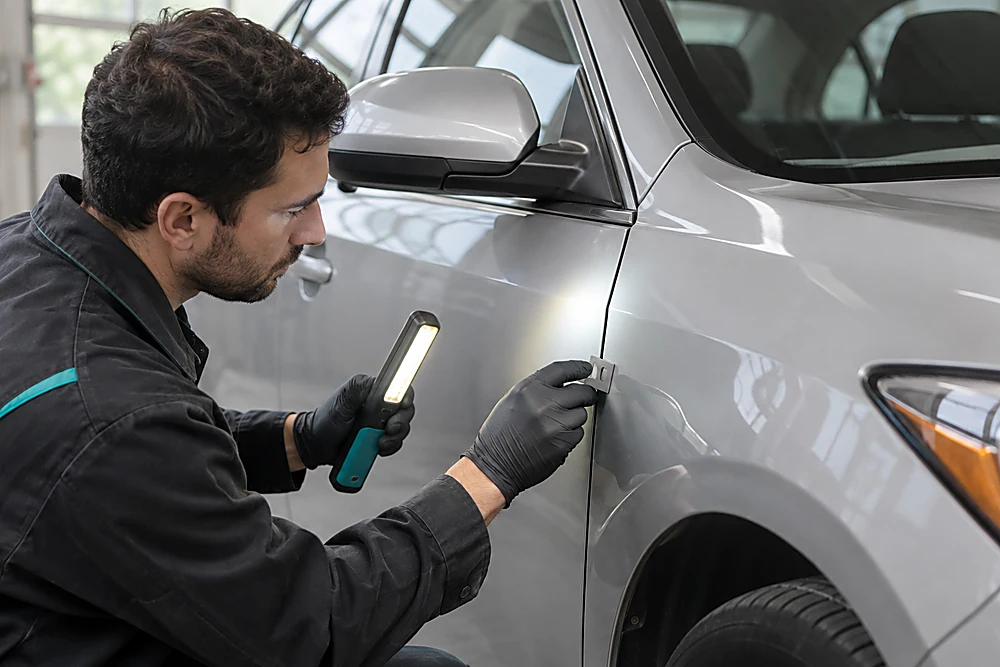
Where possible, inspect the car outside or in bright, even light. If it is dark or raining hard, ask the shop to help find a suitable viewing area.
Area
What you can check safely
What to ask if concerned
Repaired panel
Even-looking paint and normal gaps
Can you explain this colour or panel-fit difference?
Doors, hood and trunk
Smooth normal opening and positive latching
Was the latch or adjacent opening part of the repair?
Lights and indicators
Lamps illuminate and lenses sit securely
Were damaged mounts or lamp units replaced?
Glass and trim
No obvious loose mouldings or fresh gaps
Was sealing checked after reassembly?
Dash display
No new warnings when starting the vehicle
Were required diagnostic checks completed?
A slight colour change under different lighting is not automatically proof of poor workmanship. Ask the shop to review the concern with you rather than deciding from one angle.
Check the features connected to the impact area
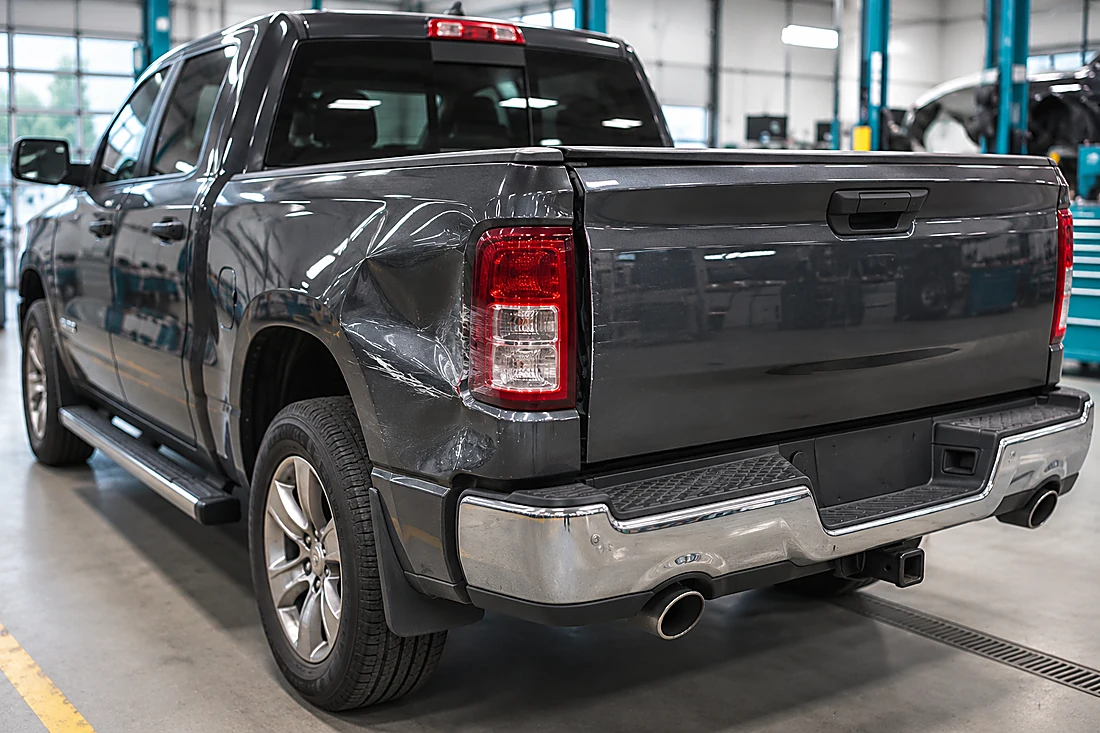
Think about where the crash occurred. If the front bumper was repaired, ask about lights, parking aids or cameras near that bumper. If a door was involved, check the window, lock and handle. After rear-end work, look at the tailgate, backup camera and rear lamps.
Do not attempt hazardous road tests or rely on driver-assistance features to prove a repair is safe. If the vehicle produces a new safety warning or behaves abnormally, tell the shop and ask whether it should remain off the road until checked.
Electronic systems may require diagnostics or model-specific calibration as part of the repair. A normal display is useful, but it is not proof that every electronic system was checked. You can ask what was required and what was documented.
Understand the paperwork before leaving
Keep the final invoice or repair order, warranty terms and any information supplied about replacement parts, additional work or required follow-up. If the initial estimate changed, the shop should be able to explain why and what was authorized.
Useful questions include:
- Which panels or components were repaired and which were replaced?
- Was additional damage found after disassembly?
- Were any scans, calibrations or outside specialist operations required?
- Is there anything I should avoid during the paint-curing or glass-adhesive period?
- Who should I contact if a problem appears after pickup?
For a more complete explanation of repairs before work begins, Cerna Collision already has a guide to questions before approving ICBC repairs. This checklist starts after the work is finished.
What if you notice a repair problem later?
Document the concern clearly. Photos, the pickup date, repair paperwork and a short description help. Contact the repair facility directly first and allow it to review the issue.
ICBC's guidance says that customers dissatisfied with work at an ICBC Repair Network facility should raise concerns with the repair facility first; unresolved issues can then be referred to ICBC for review. Read ICBC's post-repair concerns process. Warranty and remedy depend on the repair and applicable terms, so avoid assuming every future fault is covered.
Cerna Collision describes a lifetime written workmanship warranty for eligible repairs for as long as you own your vehicle. Ask the team to explain the written terms that apply to your job.
Do you need to wash or polish the car before checking it?
No. The repair shop should be able to show you the work as delivered. Avoid trying to buff away a concern on a newly painted panel: fresh refinishing may have temporary care restrictions. Ask when washing, waxing or protective coatings are permitted for your specific finish.
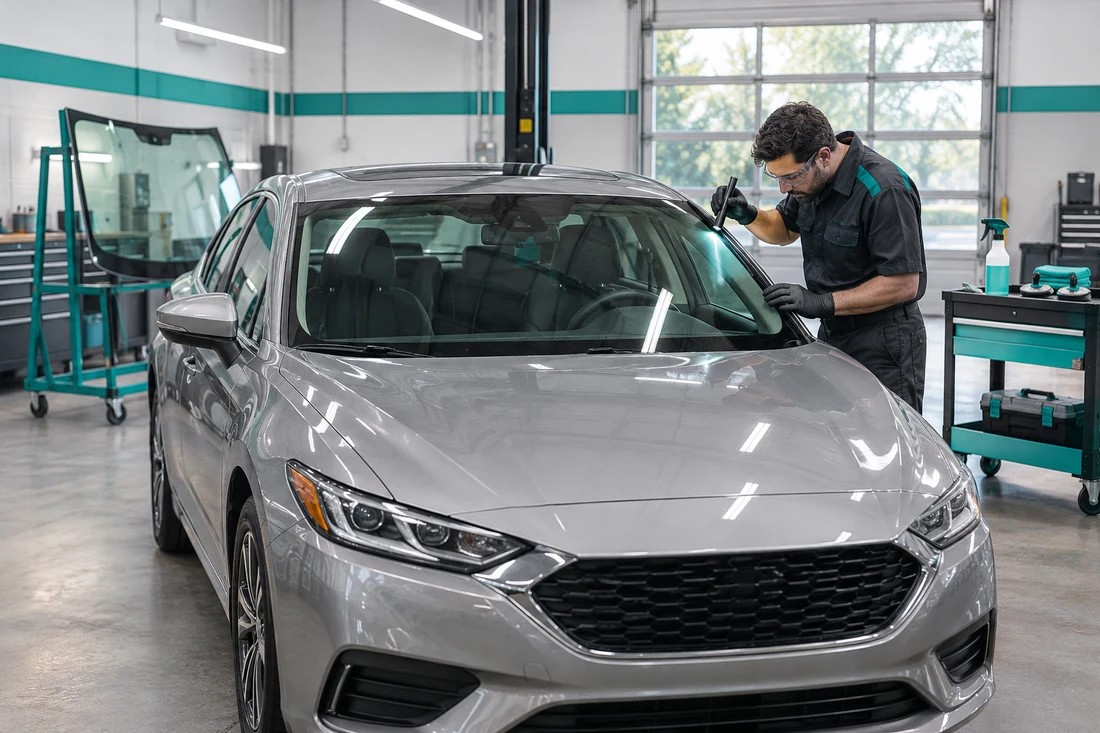
If glass was replaced, confirm the required minimum safe-drive-away time before taking the car. If a camera is mounted to the windshield, ask whether calibration was required and completed. These steps vary by product and vehicle.
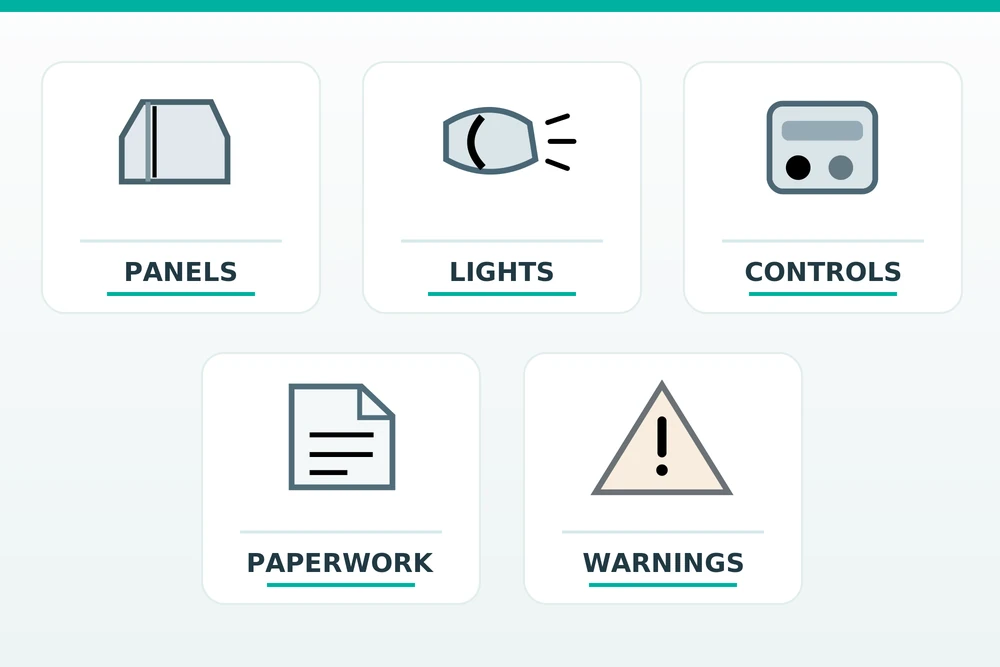
A quick pickup sequence you can save
Use this order to avoid overlooking the practical points:
- Outside first: repaired surface, surrounding gaps, trim, lights and glass.
- Then controls: locks, windows, tailgate, indicators and features near the damaged area.
- Then display: ask about new warnings, post-repair scans or needed calibrations.
- Then documents: final work summary, warranty, aftercare and any outstanding follow-up.
- Then departure: confirm the vehicle is ready to drive and whom to contact with concerns.
Drivers handling a claim can also review the broader ICBC repair coordination services available through Cerna Collision.
Common questions about collecting a repaired car
Should I ask to see the replaced parts?
You can ask what was replaced and request available documentation. Whether the physical parts can be retained or shown depends on the job, insurer, safety rules and shop procedures.
Can I decline to drive away if a door still does not latch?
Yes. A door that will not secure properly is a safety concern. Tell the repair facility and ask for a correction or an explanation before operating the vehicle.
Does a lifetime warranty cover every later issue?
Not automatically. Review what workmanship and eligible repaired areas are covered, along with exclusions and claim procedures in the written terms.
What if a dashboard light comes on the day after pickup?
Record the message and contact the repair facility promptly. It may or may not relate to the collision repair, so a proper diagnosis is needed.
Leave with answers, not just a polished car
A good pickup conversation makes the finished work easier to understand. Cerna Collision serves Surrey drivers with collision repair and ICBC support. If you need a vehicle damage assessment before repairs begin, request an estimate; if your vehicle is already repaired, contact the shop responsible for the work first about any concern.
Table Of Contents