Water Leaking Into Your Car After a Collision? Where to Look
Author: Juan Cerna
Quick answer: A collision can create a new rainwater leak by changing how a door, tailgate, trunk lid, window or body seam fits. The damaged weather seal may be the problem, but a seal can also leak because the metal around it has shifted. A wet carpet is not proof that the leak started directly above it. The safest approach is to document where moisture appears, limit further water exposure and have the entry point tested.
Surrey's rainy months make water leaks hard to ignore. A driver may discover a damp rear seat after a small side impact, or water in the spare-wheel well days after a rear-end collision. You might notice a musty smell before you ever see a puddle. Do not assume the fix is simply adding sealant around the nearest window.
Where can rainwater enter after an accident?
Water usually follows gravity and hidden trim channels, so the point where it collects can be some distance from the opening.
Where you find water
Collision-related areas worth checking
Carpet near the front door
Door opening, weatherstrip, hinge alignment, inner-door membrane
Rear footwell
Rear-door seal, floor path, body seam or water travelling forward
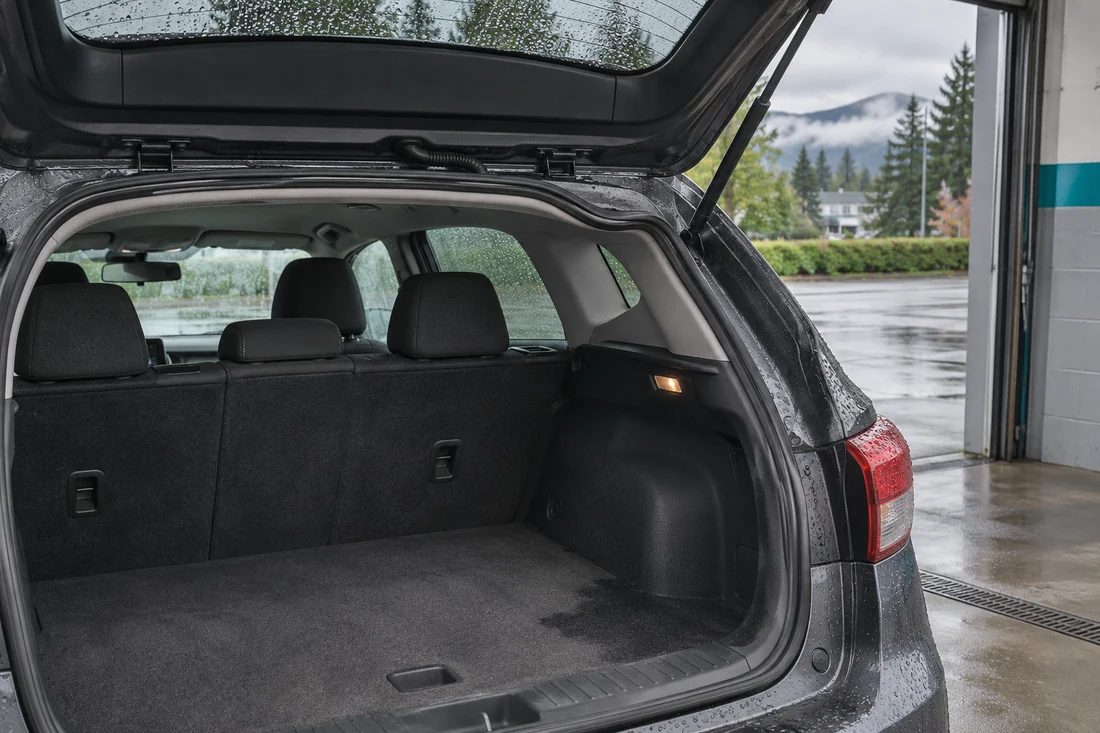
Trunk or spare-wheel well
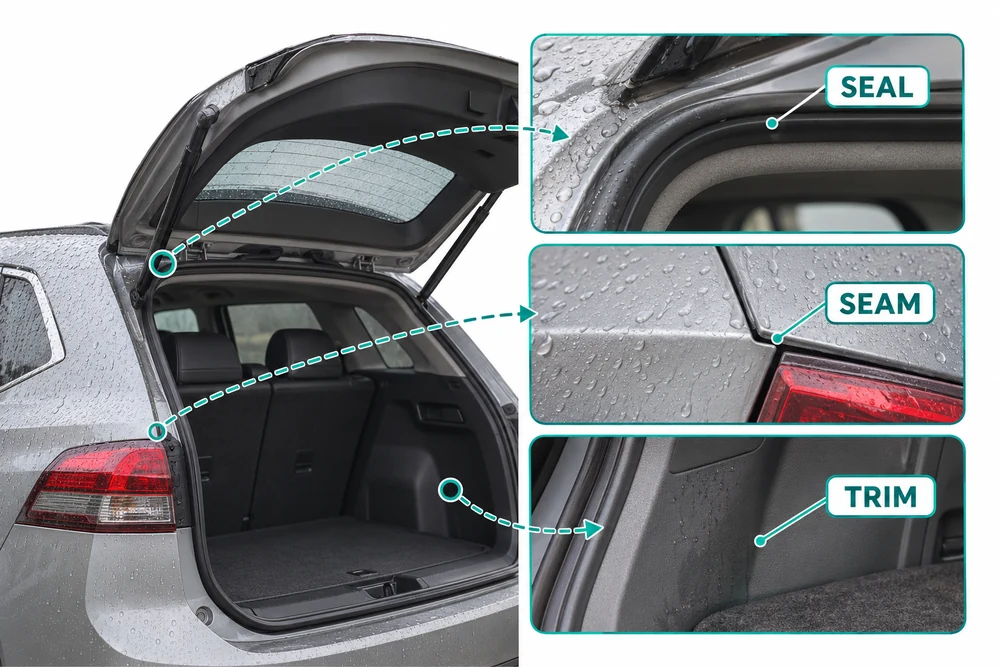
Tailgate or trunk fit, tail-lamp gasket, rear body seam
Headliner or upper pillar
Roof seam, glass perimeter or door-frame distortion
Near the dashboard
Windshield perimeter, cowl or a non-collision drainage issue
A leak may also come from a clogged sunroof drain, air-conditioning drainage or an older seal. Timing is useful evidence, but it does not prove the collision caused the problem.
How a collision changes a seal without tearing it
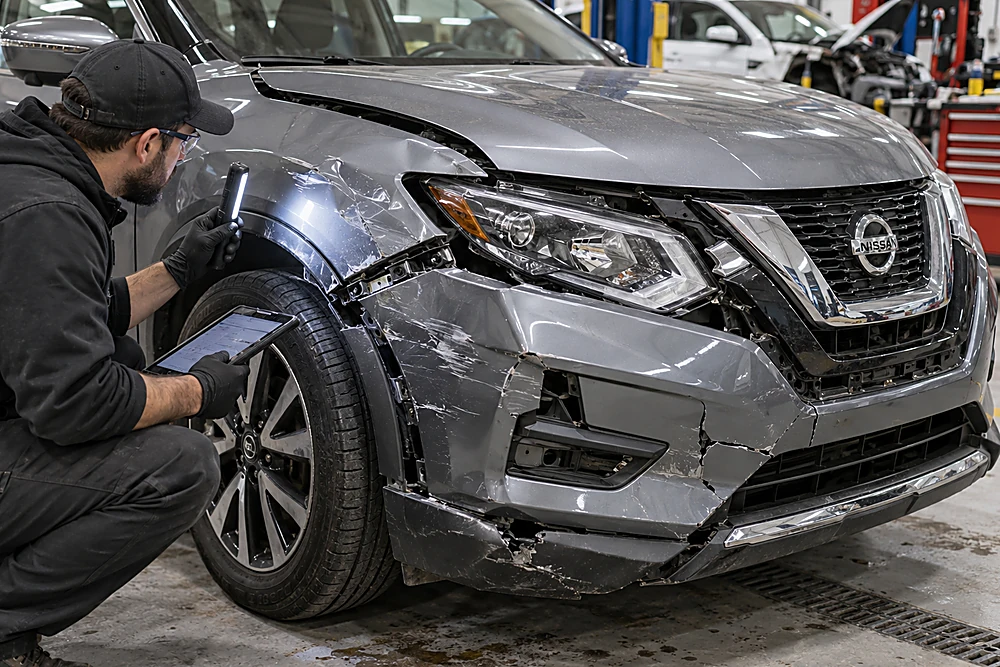
A weatherstrip works because the door or lid presses against it evenly. Even a sound, flexible seal can fail if an impact changes the fit of the panel.
Misaligned doors. A door that sits slightly outward may leave a narrow gap at the top or rear edge. You may also hear more wind noise while driving.
Rear body or tailgate movement. A rear-end impact can affect the tailgate opening, latch position, lamp mounting or adjoining seams. Water may enter behind trim and settle under the cargo floor.
Damaged seam sealer. Vehicle makers seal certain body joints during manufacture. Damage and repair work can affect these areas, so any repair needs to use the correct materials and procedures.
Glass-related issues. A hit near a windshield or fixed window may affect surrounding trim, bonding areas or the body opening. This needs a different assessment from a damaged door seal.
The important distinction is between replacing a worn seal and correcting the collision damage that prevents it from sealing. A professional should verify which problem exists.
What to do when you discover wet carpet or trim
First, park somewhere dry if you can do so safely. Photograph the wet area, the exterior damage and the weather conditions. Note when the moisture appeared and whether it returns during rain or washing.
Remove loose belongings from the wet area and protect anything vulnerable to moisture. Avoid pulling apart electrical trim or disconnecting safety-system components yourself. If water is near wiring, modules, seat connectors or damaged high-voltage components, stop and seek professional guidance. Do not operate a vehicle with suspected electrical or structural safety issues.
A towel may remove surface water, but the padding underneath can stay damp. Cleaning and drying are important after the leak source is repaired. Covering the outside with random household silicone can conceal the path and make proper repair harder.
How technicians trace a post-collision water leak
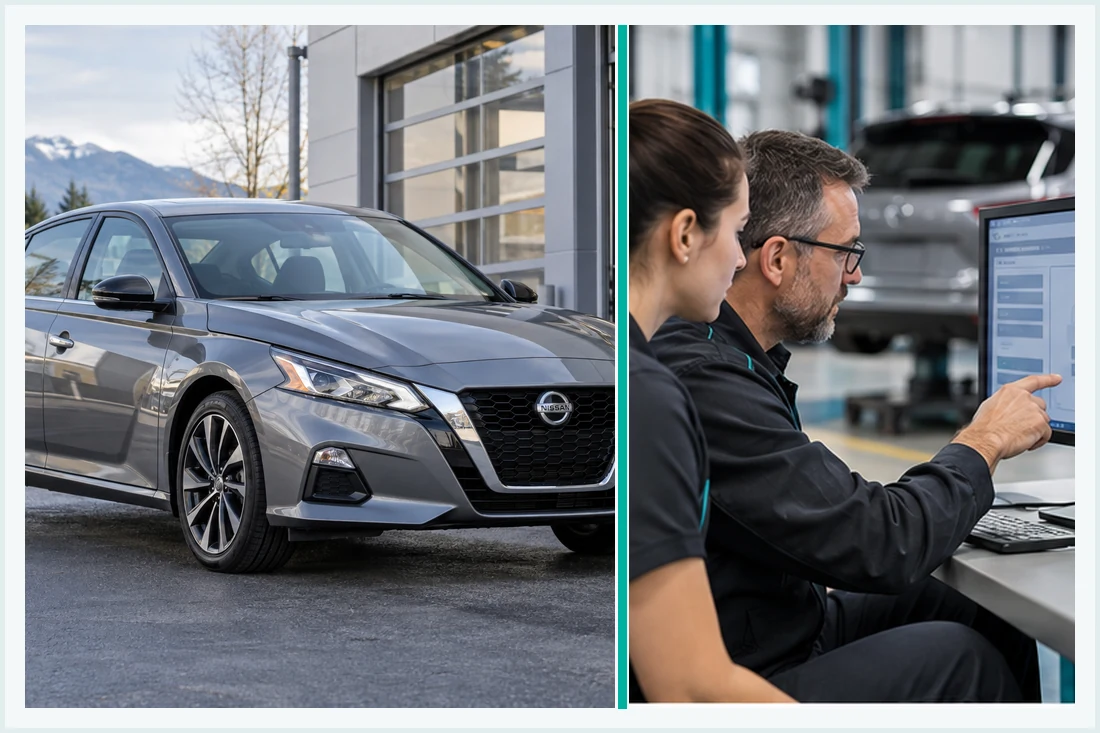
Leak diagnosis is a process of elimination. A technician may begin with a history of the impact, then inspect the fit of doors, lids, glass and weatherstrips. Depending on the vehicle, controlled water testing, trim removal or inspection of interior water paths may be necessary.
A useful diagnostic sequence is:
- Identify the earliest visible damp area, not just the largest puddle.
- Compare the affected opening with the undamaged side.
- Check seals, drainage passages and body seams for displacement or damage.
- Test likely entry points in a controlled way while inspecting inside.
- Repair the root cause using the appropriate body, seal or glass procedure.
- Retest and plan interior drying before returning the vehicle.
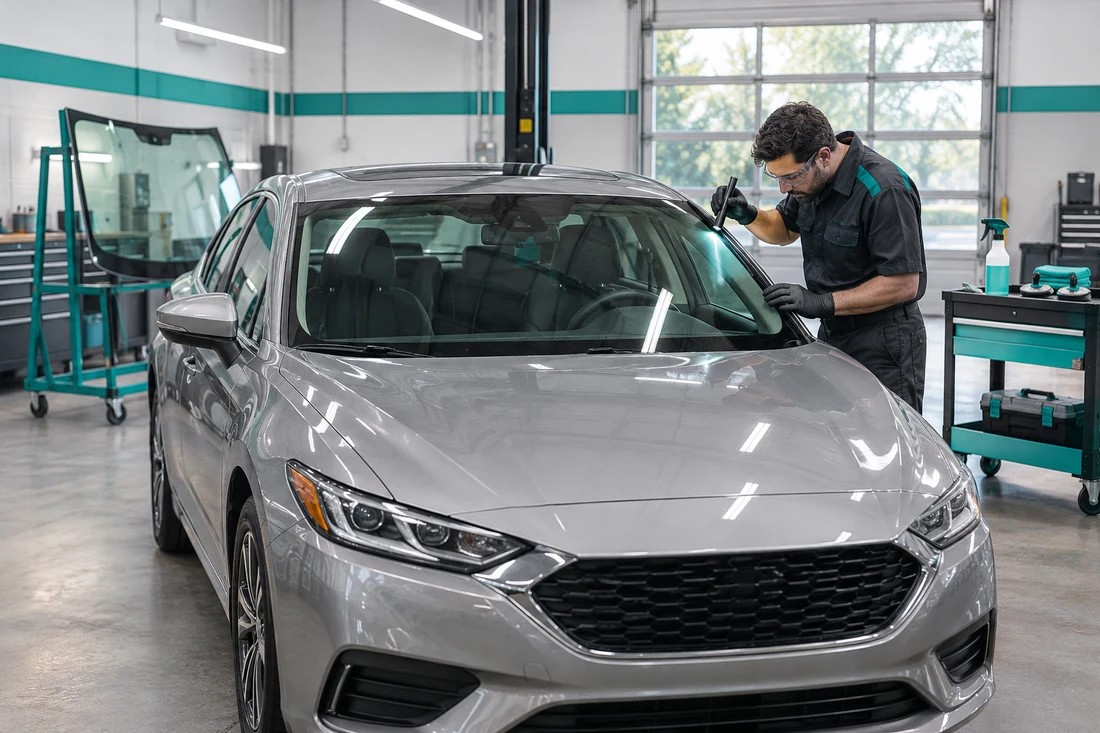
For collision-related panel or opening damage, see Cerna Collision's body repair service. If glass bonding is involved, its windshield service information explains why inspection comes before selecting repair or replacement.
The Auto Glass Safety Council also emphasizes compatible adhesives and proper installation procedures for bonded replacement glass; see its auto glass installation safety guidance. The right repair depends on which component is actually leaking.
What should you tell the body shop or insurer?
Bring a short timeline: date of the impact, side or rear area damaged, first date of water intrusion and photos showing the wet location. If you have an ICBC claim, ask how the shop will document possible collision-related water intrusion and whether additional investigation needs authorization. The insurer decides coverage; a shop cannot promise every leak will be covered.
Cerna Collision offers local ICBC claim assistance for drivers who need help understanding repair steps and estimates.
Common questions about car leaks after a crash
Can a minor parking-lot bump cause a water leak?
Yes, it can disturb the fit of a door, tailgate or nearby seam. The absence of a large dent does not rule that out, but the source still needs confirmation.
Why is water in the trunk when the bumper was hit?
Rear body components and tailgate openings sit near the impact path. Water can follow seams into a hidden cavity and collect in the lowest point of the luggage area.
Is replacing the weatherstripping enough?
Only when the seal itself is the cause. If the opening is distorted, a new seal may leak in the same place.
Will a wet car interior dry on its own?
The visible surface may dry while insulation remains wet. Once the leak is fixed, affected materials may need professional drying or further inspection to prevent ongoing moisture problems.
Find the water's entry point—not just the puddle
A lasting fix addresses both the leak and the damage that allowed it. If rain started entering your vehicle after an impact, request an estimate in Surrey and share your photos and leak timeline.
Table Of Contents