Do Child Car Seats Need to Be Replaced After a Crash in BC?
Author: Juan Cerna
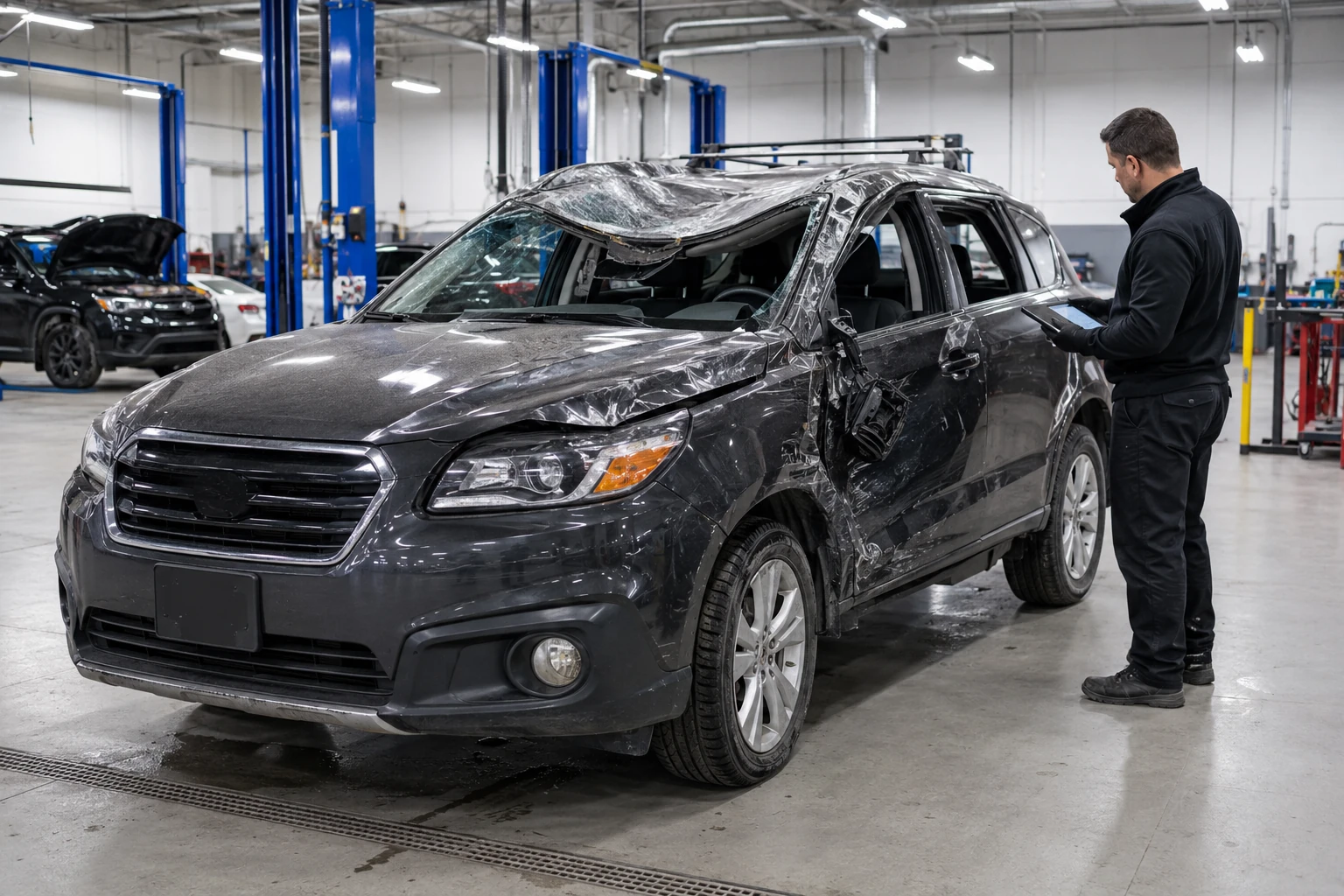
A child car seat or booster seat should be replaced after a moderate or severe crash. After a minor crash, the answer can depend on the seat manufacturer's instructions and the circumstances of the collision.
ICBC advises parents to check the manual for their specific child seat after a minor crash because some manufacturers allow continued use when defined minor-crash conditions are met. If the seat needs replacement and the claim qualifies, ICBC also has a separate reimbursement process. The safest approach is not to judge the seat only by its appearance.
Quick Answer: Do You Have to Replace a Car Seat After an Accident?
After a moderate or severe crash, replace the child car seat or booster seat. After a minor crash, check the manufacturer's instructions for the exact model.
ICBC notes that many manufacturers use a five-part minor-crash test. Among those criteria, the vehicle must have been driveable after the crash, nobody can have been injured, the air bags cannot have deployed, the vehicle door nearest the seat cannot have been damaged and the child seat itself cannot show visible damage. All relevant criteria must be satisfied. Manufacturer instructions still control for the specific seat.
Why Can't You Judge the Seat Only by Looking at It?
A child seat may look normal after a collision. That does not automatically tell you whether the manufacturer considers it suitable for continued use. The seat is part of the vehicle's occupant-protection system. After a collision, the correct decision should be based on crash severity, manufacturer guidance, seat condition, location of vehicle damage, airbag deployment and passenger injuries. Do not rely on a visual inspection alone.
What Does ICBC Consider a Minor Crash for This Guidance?
ICBC explains that many manufacturers use criteria originally established by the U.S. National Highway Traffic Safety Administration. A crash may meet the minor-crash definition when all of the relevant conditions are satisfied:
- the vehicle could be driven away
- the vehicle door nearest the child seat was not damaged
- no occupant was injured
- airbags did not deploy
- there is no visible damage to the child seat or booster
ICBC still tells parents to check the seat manufacturer's manual because individual manufacturer instructions can differ.
i
What If It Was Just a Fender-Bender?
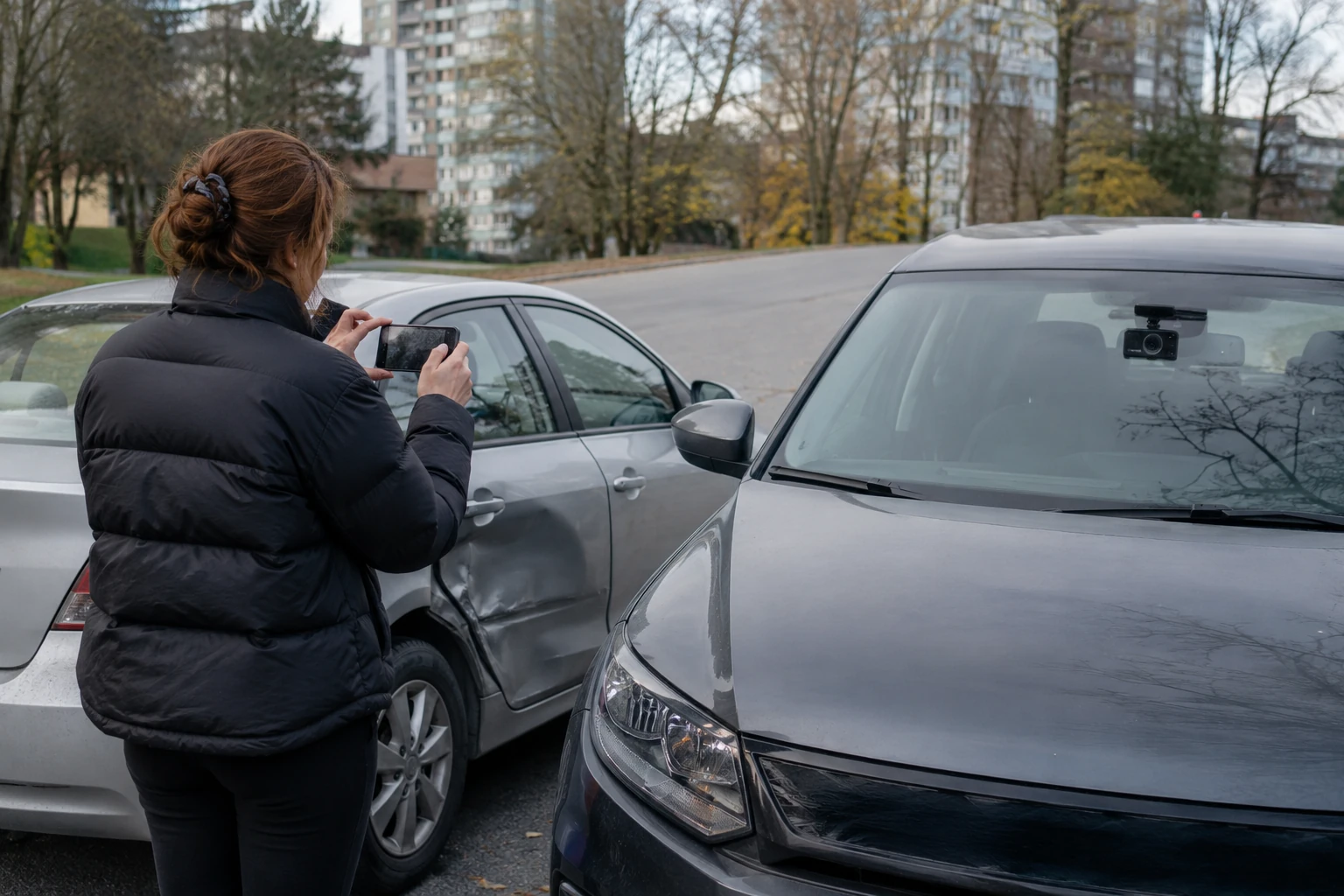
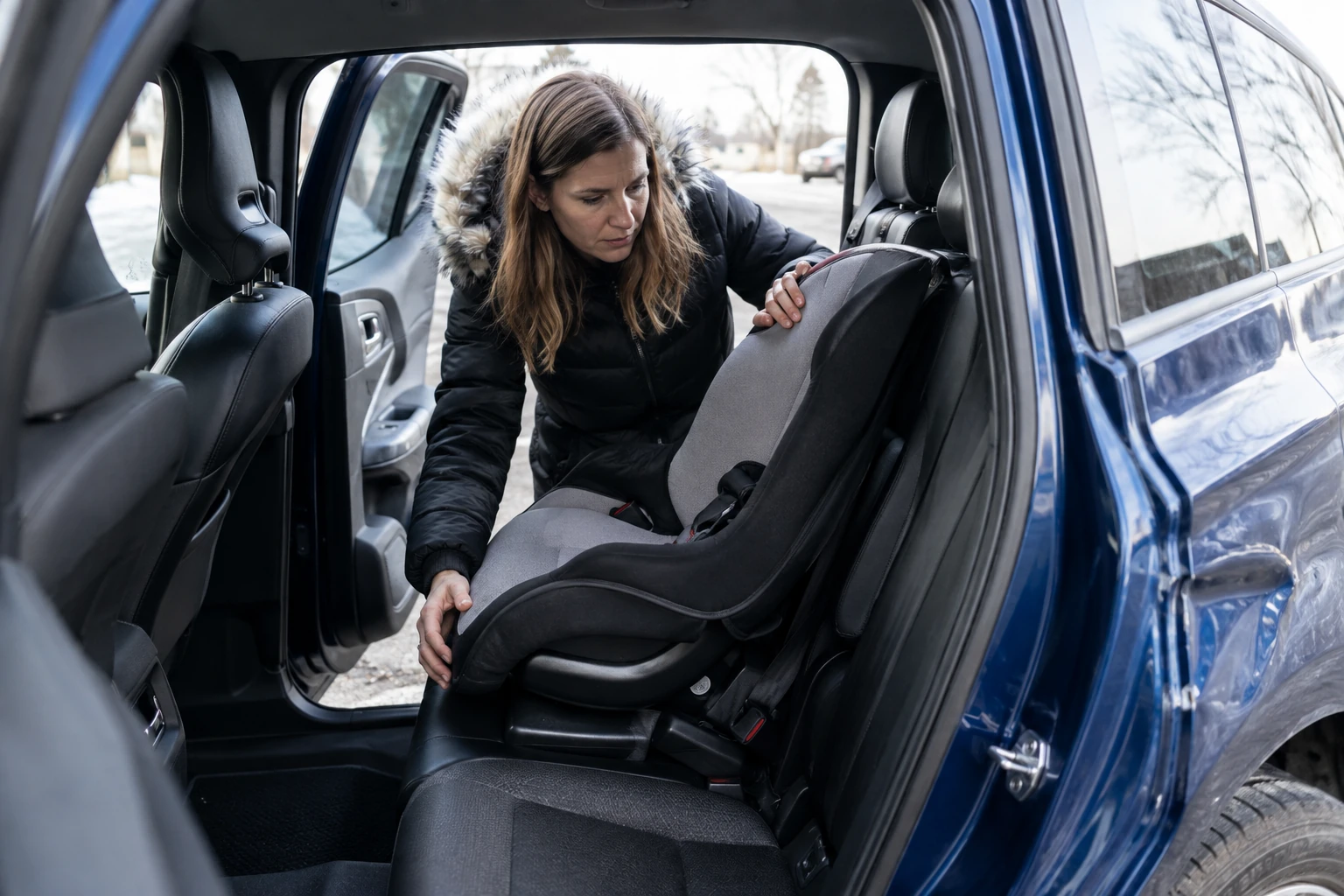
Do not automatically throw the seat away—but do not automatically keep using it either. Find the model's manual. Look for the section addressing crashes, collisions, replacement and continued use after minor impacts. Some manufacturers instruct users to replace a seat after any crash. Others may allow continued use after a crash that meets specific criteria. Follow the manufacturer's instructions for your seat.
What If the Airbags Deployed?
Airbag deployment means the crash does not meet the five-part minor-crash criteria described on ICBC's child-seat replacement guidance. Do not assume the seat is acceptable for continued use simply because the child was not sitting in it, the seat looks normal or the impact occurred elsewhere on the vehicle. Check the manufacturer instructions and replacement guidance.
What If the Child Wasn't in the Car Seat During the Crash?
The correct decision still depends on the manufacturer guidance and crash circumstances. An empty child seat remains installed in the vehicle and can still be subject to forces during a collision. Do not assume an empty seat is automatically exempt from replacement.
What If There Is No Visible Damage?
The absence of visible damage is only one part of the minor-crash criteria. The other conditions still matter. A seat that looks perfect may still need replacement if airbags deployed, someone was injured, the nearby door was damaged, the vehicle was not driveable or its manufacturer requires replacement.
Can ICBC Reimburse You for a Replacement Child Seat?
Potentially. ICBC currently says a person may qualify for reimbursement if they have applicable ICBC coverage for the loss—such as Collision, Comprehensive, Specified Perils or Hit and Run coverage—or when another ICBC-insured driver is wholly or partially responsible. The reimbursement request generally needs to be submitted within two years of the date the seat was damaged. Because reimbursement rules can change, verify the current process directly with ICBC when making the request.
What Documents Should You Keep?
Keep relevant documentation before disposing of the damaged seat:
- original car-seat receipt, if available
- replacement-seat receipt
- photos of the seat
- model information
- claim number and crash information
ICBC's current process allows a reimbursement request to be supported with the original receipt. If that is unavailable, there are alternative reimbursement pathways involving the replacement receipt or a preset amount based on the seat type.
Should You Throw Away the Seat Immediately?
Not before you have documented it and checked the reimbursement requirements. ICBC instructs customers to dispose of damaged seats rather than re-use them after the reimbursement process and recommends cutting the safety straps before disposal to help prevent someone else from reusing the damaged seat. Do not donate or sell a seat that has been determined to require replacement.
Does ICBC Pay for Any Replacement Seat You Choose?
Do not assume reimbursement is unlimited. ICBC maintains reimbursement rules and allowance amounts for different types of child seats and booster seats. Those amounts can change over time. Check the current reimbursement page before purchasing a replacement if reimbursement is important to you.
Does the Auto Body Shop Decide Whether the Seat Is Safe?
No. A collision repair facility assesses and repairs the vehicle. The car-seat replacement decision should be based on child-seat manufacturer instructions, current ICBC guidance and applicable safety guidance.
How Does This Fit Into the Collision Claim?
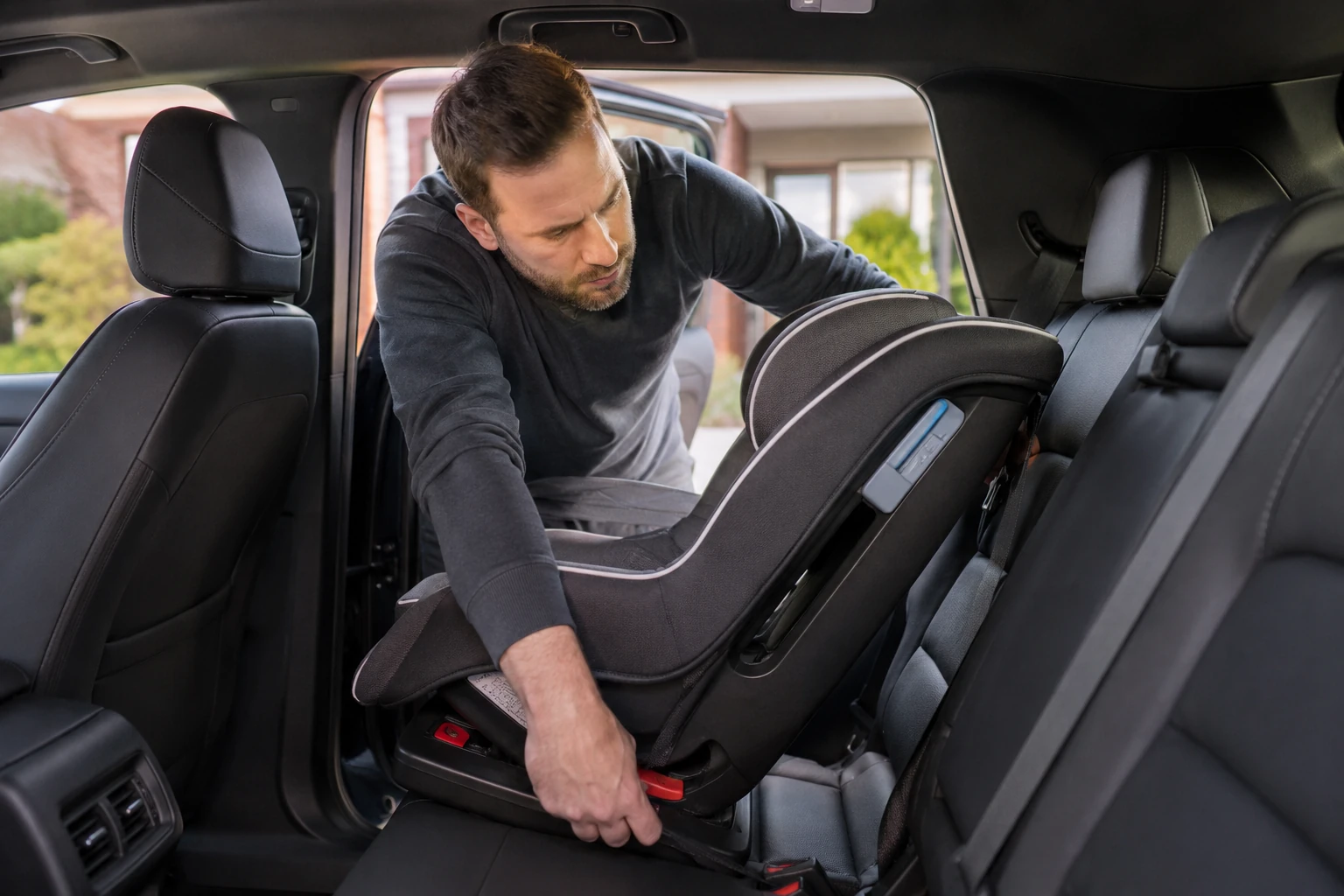
The child-seat question is only one part of the post-crash process. The vehicle itself may also require damage documentation, an ICBC claim, an estimate, body repairs, glass repairs and transportation planning.
For repair-related ICBC claim support, visit Cerna's ICBC claim assistance in Surrey page. Also helpful:
• What to do after a car accident
• What to bring to an ICBC auto body appointment
• ICBC repair appointment checklist
Frequently Asked Questions
Do I need to replace a car seat after every crash?
Not necessarily. ICBC says seats should be replaced after moderate or severe crashes. After a minor crash, check the manufacturer's instructions for the specific seat.
What if the car seat looks completely fine?
Appearance alone is not enough. Crash circumstances and manufacturer instructions also matter.
Does a car seat need replacement if the airbags deployed?
Airbag deployment means the incident does not satisfy the minor-crash criteria outlined by ICBC. Check the seat manufacturer's replacement instructions.
Does ICBC reimburse child seats after a crash?
Qualifying claims may be eligible for reimbursement. ICBC has a dedicated reimbursement process and eligibility criteria.
Should I keep the damaged seat until ICBC processes the request?
Document the seat and follow ICBC's reimbursement instructions before disposal. ICBC states that damaged seats must ultimately be disposed of and not reused.
Table Of Contents