Stolen Car Recovered With Body Damage: What Happens Next in BC?
Author: Juan Cerna
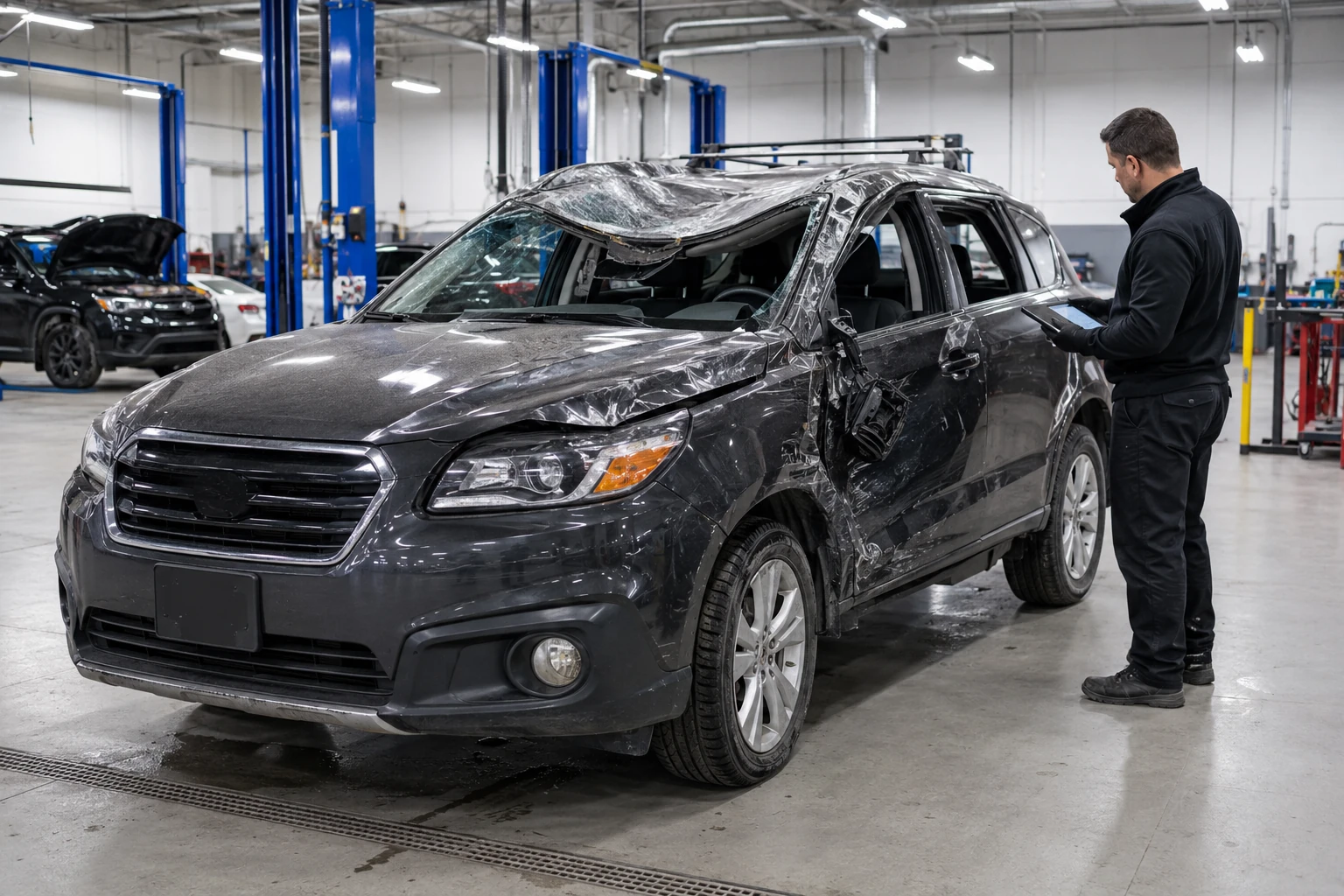
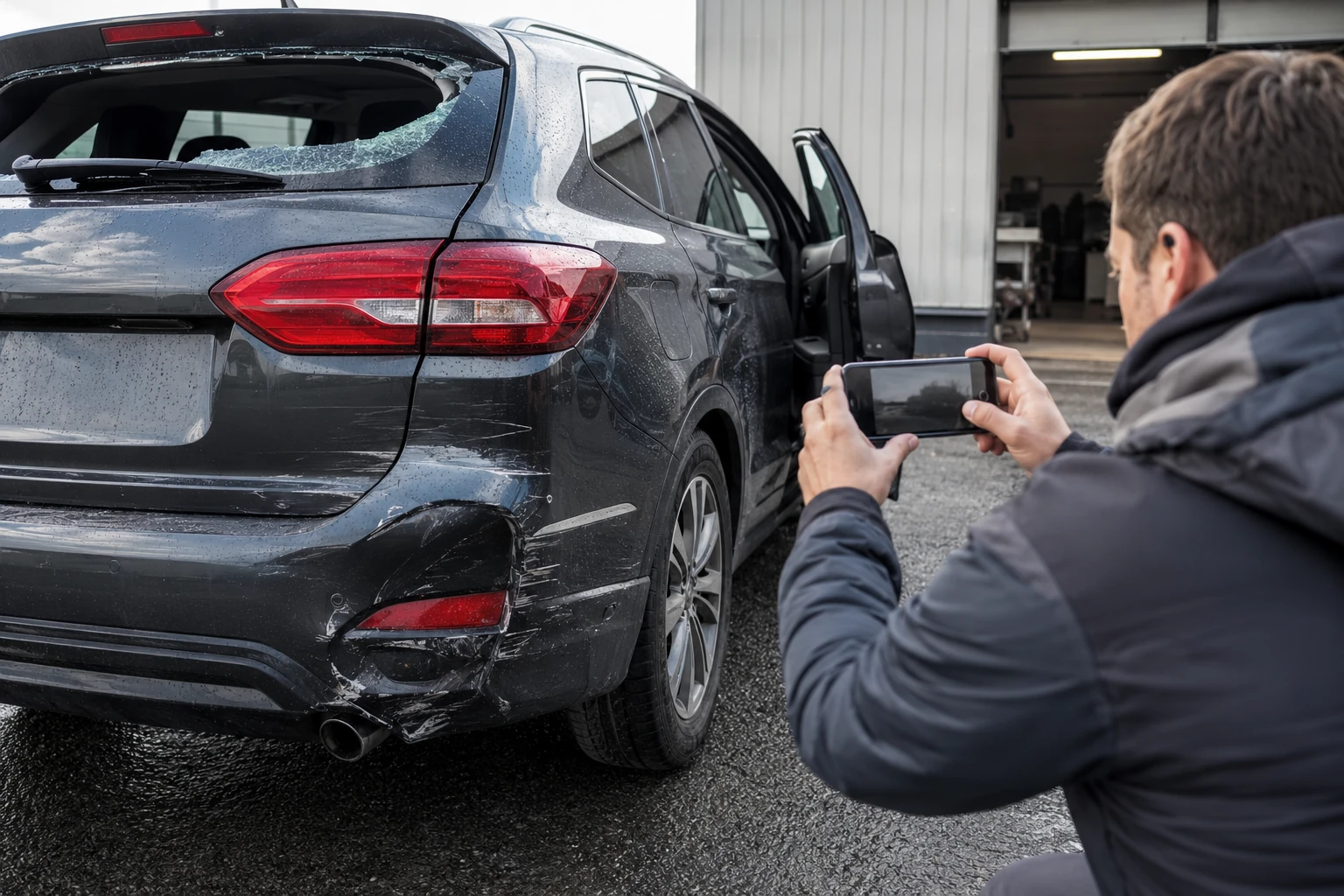
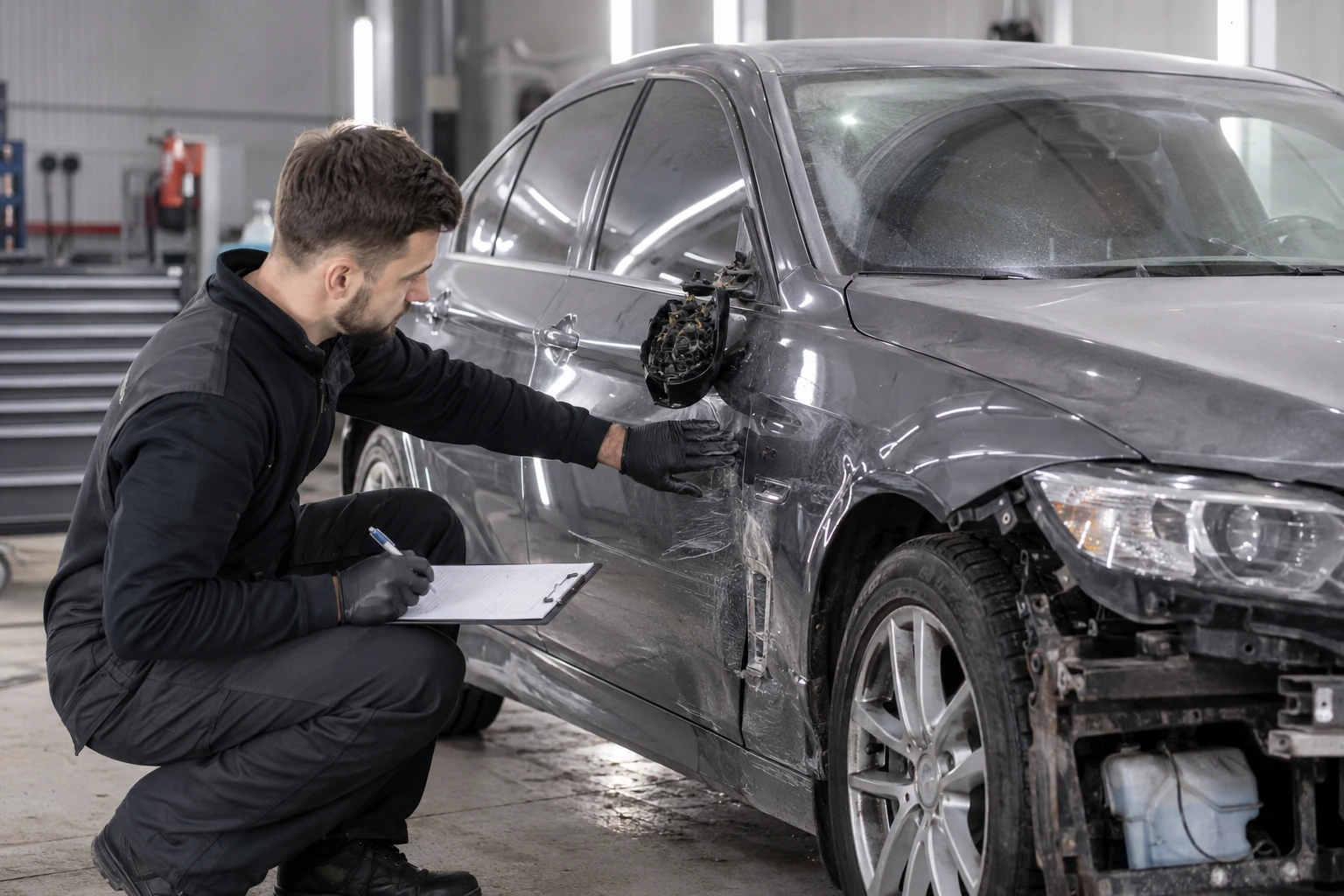
When police recover a stolen vehicle in British Columbia, do not assume it is ready to drive simply because it has been found. A stolen vehicle may have body damage, broken locks or glass, vandalism, wheel or tire damage, interior damage or problems caused while it was being driven.
ICBC's current theft-claim process says that if a stolen vehicle is recovered, it is towed to a repair facility of the owner's choice for a damage estimate. If the vehicle is repairable, repairs can then be scheduled; if repair is not economical, it may instead be handled as a total loss.
The important step after recovery is therefore not immediately taking the car home. It is documenting and assessing its condition.
Quick Answer: What Happens When a Stolen Car Is Recovered?
After a stolen vehicle is found in BC:
- Follow police instructions about the recovered vehicle.
- Notify your ICBC claims representative if police contact you first.
- Do not disturb possible evidence unnecessarily.
- Arrange for the vehicle to be moved through the claim process.
- Have the damage professionally estimated.
- Review visible and hidden damage.
- Complete authorized repairs if the vehicle is repairable.
ICBC specifically instructs customers to tell their claims representative if police advise them that the vehicle has been found.
What Should You Do Before Touching the Vehicle?
Follow the instructions given by police. A recovered vehicle may still be part of an investigation. Do not automatically clean the interior, throw away items, remove damaged components, repair broken locks, wipe surfaces or move unfamiliar items until you know the vehicle has been released and you are permitted to proceed. Once police and ICBC have completed the necessary steps, the repair assessment can begin.
What Damage Is Common After Vehicle Theft?
No two theft recoveries are the same. Possible damage includes:
Door and lock damage
Attempted forced entry can damage locks, handles, doors, surrounding paint and window frames.
Broken glass
Side windows or other glass may be broken during entry.
Ignition or steering-area damage
Depending on the vehicle and theft method, components around the steering column or ignition area may be damaged.
Exterior collision damage
A stolen vehicle may have bumper damage, dents, scratches, damaged fenders, broken lights and damaged mirrors.
Wheel and tire damage
Improper driving, impacts or curb strikes may damage wheels and tires.
Interior damage
Seats, trim, electronics and personal-use areas may have been damaged or contaminated.
Vandalism
Scratches, dents or deliberate damage may also be present. ICBC separately identifies vandalism as damage such as scratches, dents, slashed tires or graffiti under applicable Comprehensive coverage.
Does ICBC Cover Damage to a Recovered Stolen Car?
ICBC states that vehicle-theft claims are covered when the owner has confirmed Comprehensive or Specified Perils coverage. The claims representative confirms coverage and the next steps for the particular loss. Do not assume every expense or damaged item is automatically covered. Coverage questions should remain with ICBC.
What If the Vehicle Is Found Before ICBC Settles the Theft Claim?
ICBC's process changes once the vehicle has been recovered. The recovered vehicle can be towed to a repair facility for an estimate that helps determine what was damaged, what repairs are required and whether the vehicle is economical to repair. ICBC says that when a recovered stolen vehicle is not economical to repair, the owner will typically receive a payment based on fair market value instead.
Should You Drive a Recovered Stolen Car?
Do not assume it is safe. Even if the vehicle looks usable, you may not know how it was driven, whether it struck something, whether a wheel was damaged, whether components were removed, whether warning lights appeared or whether parts underneath were affected. ICBC's own process calls for a recovered stolen vehicle to be towed to a repair facility for a damage estimate.
What Should Be Inspected?
The assessment should follow the actual damage found. Possible areas include:
- doors and locks
- glass
- bumpers and body panels
- paint, headlights and taillights
- mirrors and wheels
- interior trim
- steering-area damage
- vehicle electronics
- underbody areas if an impact is suspected
Why Are Pre-Theft Photos Useful?
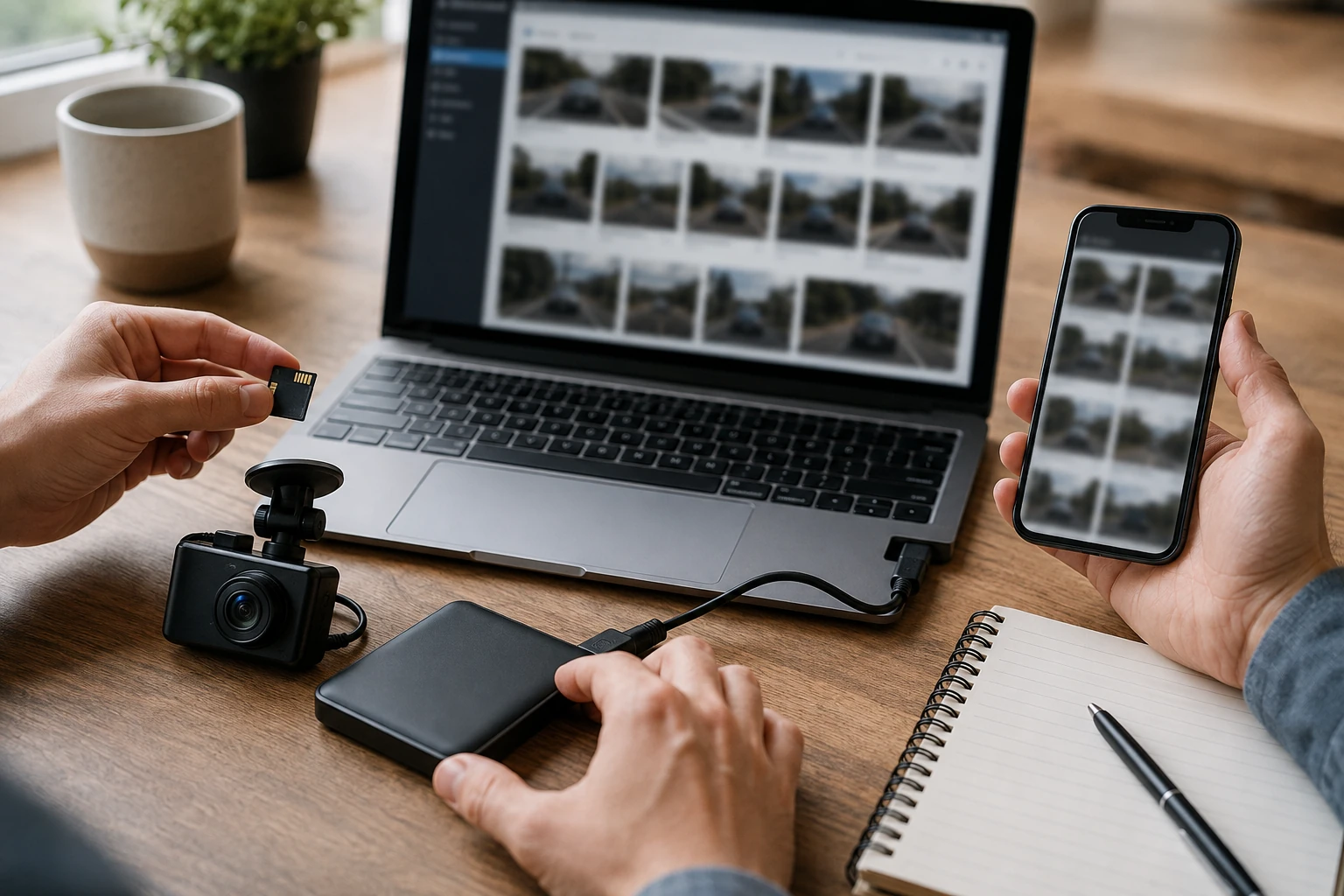
ICBC says that when a vehicle is stolen, it may request photos or videos showing the vehicle before the theft. Pre-theft photos can help establish prior body condition, existing scratches, wheel condition, accessories, trim and visible equipment. Do not alter photographs to make damage easier to see. Keep the original files when possible.
What If Personal Items Are Missing?
Vehicle damage and missing personal property are not necessarily handled the same way. Do not assume all personal belongings are covered through the vehicle-damage claim. Make a list of missing items and discuss them with police, ICBC and your applicable insurer.
What If Parts Were Removed From the Vehicle?
Document what appears to be missing. ICBC says Comprehensive or Specified Perils coverage may cover permanently attached equipment subject to policy limits. Examples might include wheels, stereo components and attached accessories. Do not buy replacement equipment before understanding the claim process if you expect reimbursement.
What Happens During the Damage Estimate?
The repair facility documents the vehicle's condition and prepares an estimate for the damage associated with the claim, covering labour operations, replacement parts, repairable panels, paint/refinish requirements, glass and related body components.
For details on how estimates can evolve, see why your ICBC repair estimate can change after teardown.
What If the Car Has Heavy Collision Damage?
A stolen vehicle may have been involved in a collision before being abandoned. If that happened, repairability depends on the actual damage. A professional assessment may need to look at structural areas, bumper reinforcements, suspension-related impact areas, wheels, underbody, sensors, restraint systems, glass and exterior panels. The original theft does not change the need to follow appropriate repair procedures.
Can a Recovered Stolen Vehicle Be Written Off?
Yes. Finding the vehicle does not guarantee it will be repaired. ICBC says a recovered stolen vehicle may be treated as a total loss when it is not economical to repair.
Getting a Recovered Vehicle Assessed in Surrey
If a recovered stolen vehicle has bumper, body, paint, glass or collision damage, the next practical step is an accurate damage estimate.
Visit Cerna Collision's auto body repair in Surrey or get help with your ICBC claim assistance in Surrey.
Also useful: what happens during an ICBC vehicle damage assessment and OEM vs aftermarket parts.
Frequently Asked Questions
What happens if police find my stolen car?
Notify your ICBC claims representative if police contact you about recovery. ICBC says recovered stolen vehicles are moved to a repair facility for a damage estimate.
Should I drive my recovered stolen car home?
Do not assume it is safe to drive. ICBC's theft-claim process provides for recovered vehicles to be towed to a repair facility for assessment.
What if my stolen car has new body damage?
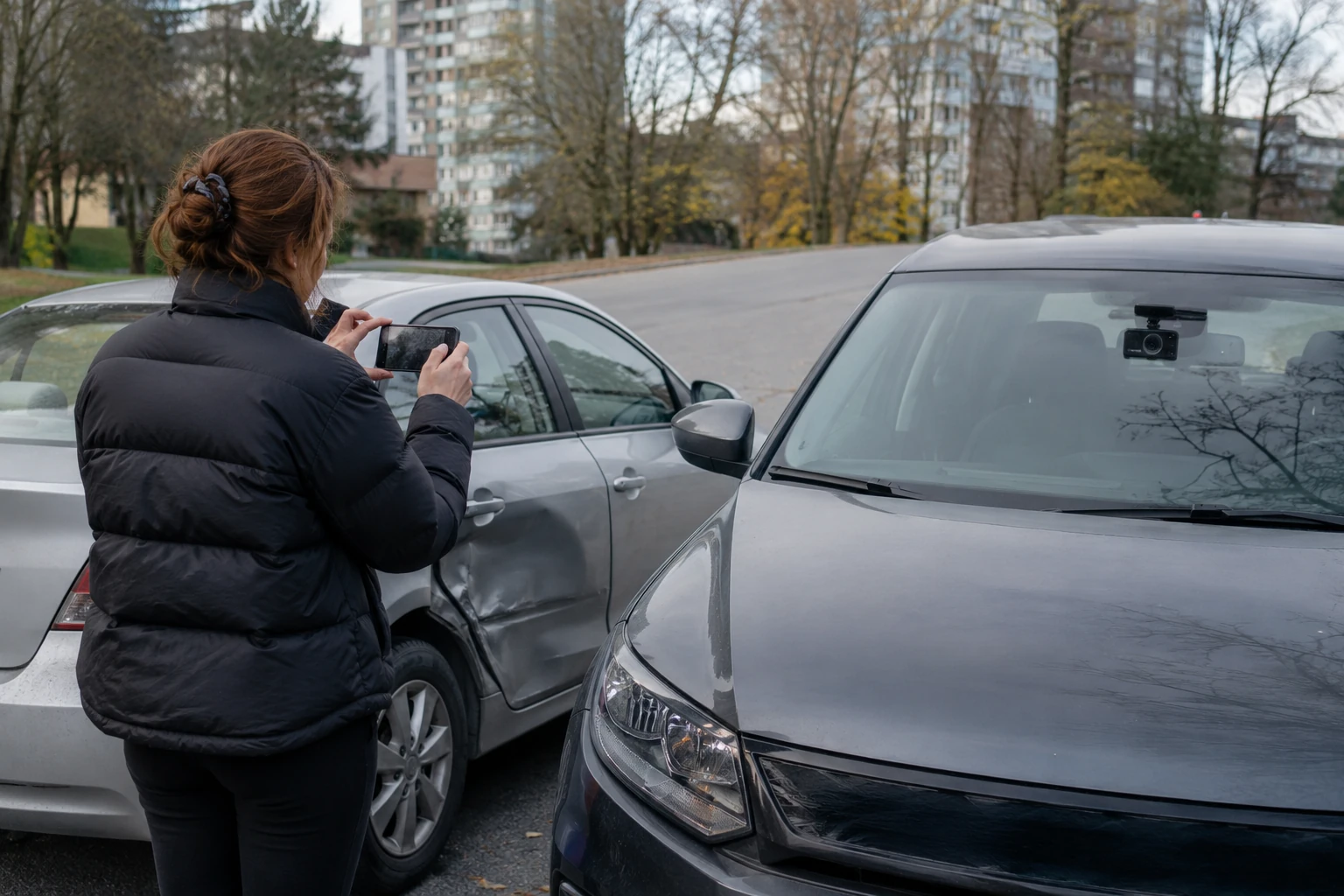
Document the damage and have it assessed through the claim process. Avoid repairing or cleaning away evidence before police and ICBC have completed necessary steps.
Can a recovered stolen vehicle still be written off?
Yes. If the vehicle is not economical to repair, ICBC says it may be handled as a total loss.
Can I choose where the recovered vehicle is repaired?
ICBC currently states that a recovered stolen vehicle will be towed to a repair facility of your choice for a damage estimate.
Table Of Contents